
T: 0086 13510078491
Tianraobu Village, Hengli Town, Dongguan City, Guangdong Province, 523472, China.
Views: 0 Author: Site Editor Publish Time: 2026-01-14 Origin: Site


When choosing between a genset vs generator, it's easy to get confused. While both are designed to produce electricity, they serve different purposes. In this article, we’ll break down the key differences between the two. You'll learn about their structure, applications, and which one is right for your needs.
A generator is a device that converts mechanical energy into electrical energy. It typically uses fuel sources such as gasoline, diesel, or natural gas to generate electricity. The primary purpose of a generator is to provide power in situations where the grid supply is unreliable or unavailable. This makes it essential during power outages, construction sites, and outdoor events.
At its core, a generator consists of three key components:
● Engine: Powers the generator by converting fuel into mechanical energy.
● Alternator: Converts mechanical energy into electrical energy.
● Control System: Regulates and manages the generated power and ensures it meets the required output.
Generators come in various sizes and capacities, ranging from small portable units to large stationary ones. They are typically simpler and more compact than gensets, making them ideal for smaller applications where mobility and ease of use are crucial.
Generators are categorized based on their size, power output, and intended use. Here are the main types of generators:
● Portable Generators: These are smaller, lightweight units that are easy to transport. They are commonly used for outdoor activities, camping, and as backup power for homes and small businesses. Portable generators usually have limited power output and are best suited for short-term use.
● Diesel Generators: Diesel-powered generators are larger and more robust, making them ideal for industrial and commercial applications. They provide consistent power over long periods and are more fuel-efficient than gasoline generators. Diesel generators are often used in settings like construction sites, hospitals, and factories.
● Gas Generators: These generators are typically more fuel-efficient and are often used for residential and small commercial applications. They offer a cleaner and quieter operation compared to diesel generators, making them ideal for residential use. Gas generators are available in various sizes, from small portable units to larger, stationary models.
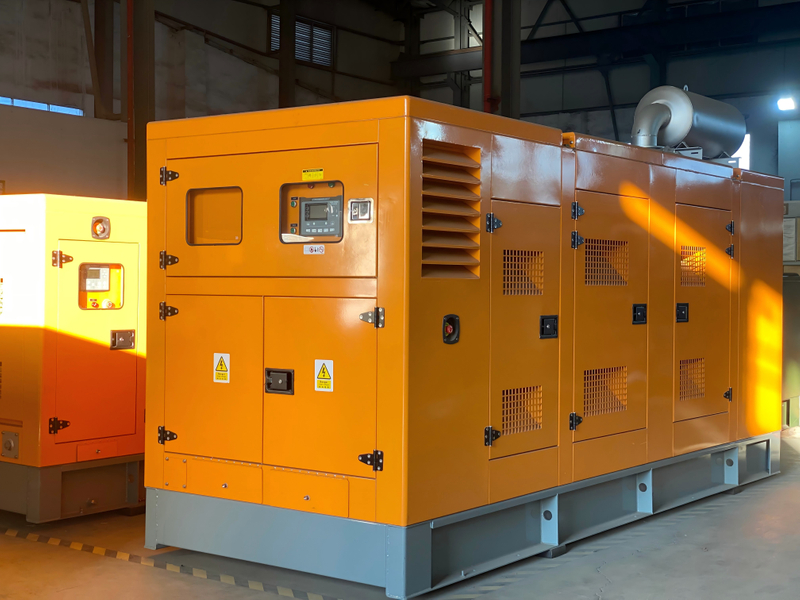
Generators work based on the principle of electromagnetic induction, where the movement of a magnet inside a coil of wire generates an electrical current. In a generator, mechanical energy from the engine is converted into electrical energy by the alternator. The alternator spins a magnetic field, which induces an electrical current in the stator.
Generators can be powered by different fuels, each with its own advantages. For example, diesel generators are known for their high efficiency and durability, making them suitable for long-term use. Gas-powered generators, on the other hand, are typically quieter and more environmentally friendly, making them a popular choice for residential use.
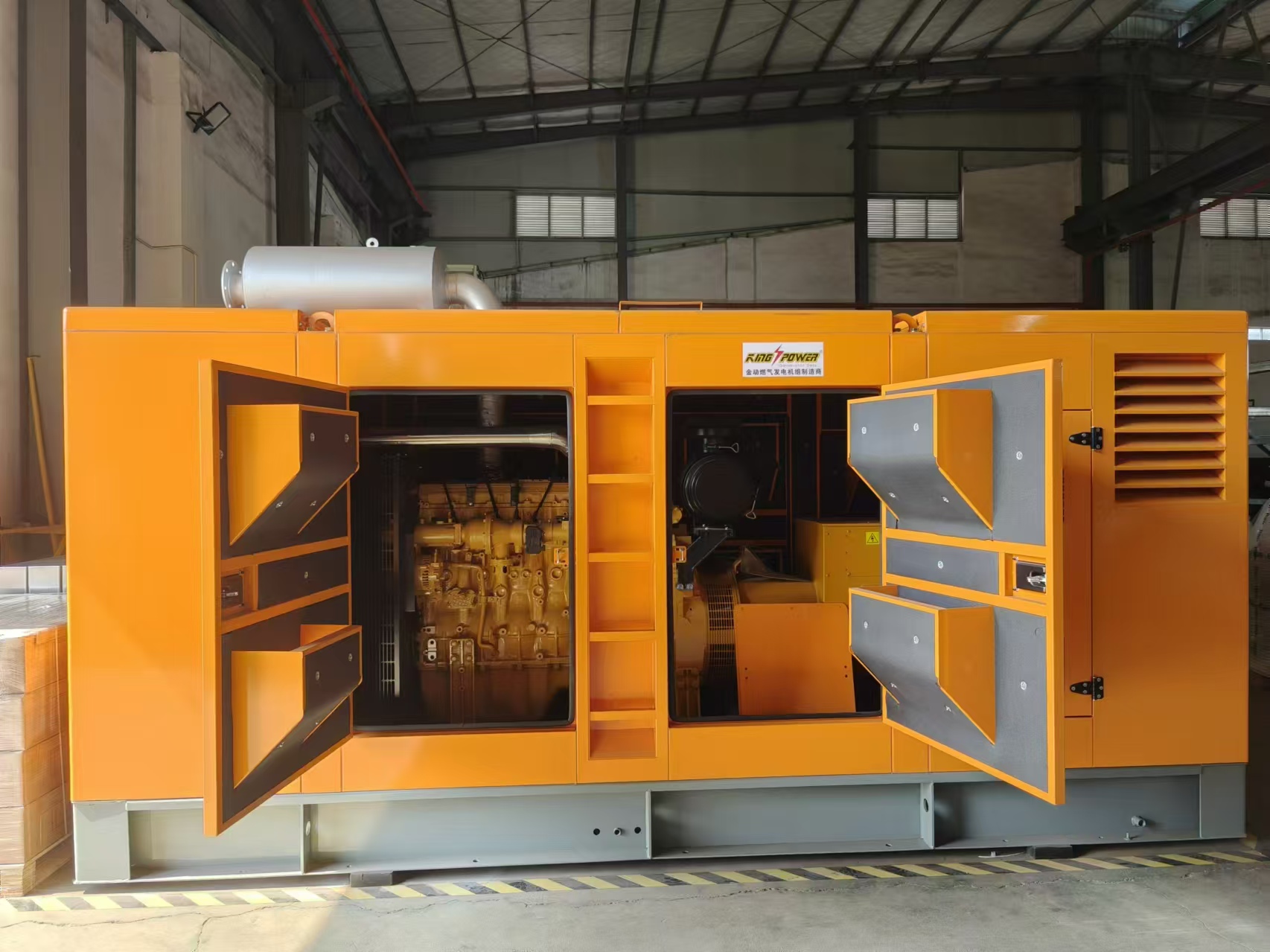
A genset, short for "generator set," is a complete power generation system that combines a generator with an engine, control panel, and other essential components. While a generator produces electrical power, a genset includes everything necessary for independent power generation. The engine in a genset provides the mechanical energy needed to drive the generator, making it a more comprehensive power solution for large-scale applications.
Gensets are typically used in industrial, commercial, and large-scale residential settings where high power output is needed for extended periods. They are especially useful in areas where grid power is unreliable or unavailable, or when a continuous, high-capacity power source is required.
A genset consists of several key components that work together to provide reliable power. These components include:
● Engine: The engine generates mechanical power by burning fuel such as diesel, natural gas, or LPG.
● Alternator: The alternator converts mechanical energy from the engine into electrical energy.
● Control Panel: This panel manages the genset's performance, providing monitoring capabilities and controlling the output of electricity.
● Cooling System: Prevents the engine and alternator from overheating during operation.
● Fuel System: Stores and delivers fuel to the engine, ensuring it runs efficiently.
Gensets are typically used in environments where high-capacity power is required. Their applications include:
● Construction Sites: Gensets are ideal for powering large equipment and machinery in areas where grid power is unavailable.
● Hospitals: Gensets provide reliable backup power for critical operations in case of power failure.
● Data Centers: Gensets ensure continuous power for data centers, preventing downtime that could affect business operations.
● Remote Power Needs: Gensets are used in remote locations where access to grid power is limited or nonexistent.
The most apparent difference between a genset and a generator lies in their design. A generator refers specifically to the electrical component responsible for producing electricity, whereas a genset includes both the generator and an engine along with other critical components.
This difference in design means that gensets are generally larger and more complex than standalone generators, making them suitable for industrial and large-scale applications.
Feature |
Genset |
Generator |
Components |
Includes engine, generator, and control panel |
Only the generator |
Power Capacity |
Higher power capacity for industrial use |
Suitable for smaller applications |
Size |
Larger, bulkier |
Smaller, portable |
Application |
Industrial, commercial, long-term use |
Home, small business, short-term use |
Gensets are designed to handle significantly higher power outputs than standard generators. While a typical generator may be sufficient for smaller applications, a genset is capable of handling large-scale power needs, making it ideal for industrial and commercial environments. Whether it's a construction site or a hospital, gensets provide the reliable, high-capacity power required for such demanding operations.
Generators tend to be more portable than gensets, especially smaller models that are designed for home or small business use. Gensets, due to their size and complexity, are typically stationary and often require installation. For temporary or mobile use, generators are the better choice as they are easier to move and set up.
While generators are generally more affordable due to their simpler design, gensets tend to be more expensive because of their larger size, higher power output, and additional components. However, for large businesses and industrial applications, investing in a genset is often the most cost-effective solution in the long run due to its efficiency and reliability.
● Higher Power Capacity: Gensets can handle large-scale power needs, making them ideal for industrial environments.
● Comprehensive System: Gensets include everything needed for power generation, reducing the need for additional equipment.
● Reliability: Gensets are more durable and can run for long periods without interruption.
● Size: Due to their large size, gensets are difficult to transport.
● Cost: Gensets are typically more expensive due to their comprehensive design.
● Maintenance: Regular maintenance is required to keep all components in working order.
● Portability: Smaller generators are easier to transport, making them ideal for temporary use.
● Lower Cost: Generators are generally more affordable, making them accessible for smaller applications.
● Simplicity: Generators are easy to operate and maintain, making them ideal for home or small business use.
● Limited Power: Generators are not suitable for large-scale or long-term power needs.
● Fuel Efficiency: In larger applications, generators may be less fuel-efficient than gensets.
If you need a power solution for large-scale operations such as construction sites, hospitals, or industrial plants, a genset is the ideal choice. It provides reliable power for extended periods and is designed to handle heavy-duty loads.
Generators are best suited for home use, outdoor events, and small businesses. They provide a portable, cost-effective solution for backup power or temporary electricity needs.
Application Area |
Genset |
Generator |
Construction Sites |
Ideal for powering large equipment |
Used for smaller tools and temporary use |
Homes and Small Businesses |
Not typically used |
Common for backup power and small needs |
Hospitals and Data Centers |
Used for continuous power supply |
Not sufficient for continuous power needs |
Events and Outdoors |
Rarely used due to size |
Often used for outdoor events and temporary setups |
When choosing between a genset and a generator, it's essential to understand the differences in power capacity, size, and applications. Gensets are larger and more powerful, making them ideal for industrial and long-term use, while generators are more portable and suitable for smaller applications like homes and small businesses. King Genset Company Limited offers high-capacity gensets that provide reliable power, ensuring continuous operation for critical industries and businesses.
A: A generator is just a device that produces electricity, while a genset combines a generator with an engine and other components for higher power output and versatility.
A: Yes, a genset can replace a generator when higher power output and additional components like engines are needed for industrial or commercial use.
A: Generators are generally more portable, while gensets are larger and less mobile due to their comprehensive setup for industrial applications.
A: Gensets provide higher power capacity and are more suitable for large-scale applications, offering reliable, continuous power for extended periods.

