
T: 0086 13510078491
Tianraobu Village, Hengli Town, Dongguan City, Guangdong Province, 523472, China.
Views: 0 Author: Site Editor Publish Time: 2026-08-12 Origin: Site


Remote facilities face a critical vulnerability every single day. Mining sites, telecom towers, and off-grid medical outposts all share this intense operational struggle. They endure immense logistical and financial strain just to maintain continuous power. Traditionally, operators relied heavily on diesel engines to keep remote sites running. This legacy choice brings serious drawbacks like rapid fuel degradation, severe environmental spill risks, and intense maintenance demands. Conversely, standalone renewable energy sources often falter. They struggle to support entire sites due to uncontrollable weather intermittency and limited battery capacity.
We must find a pragmatic middle ground for these isolated operations. An LPG generator set provides exactly this necessary balance. You will learn how this technology delivers unmatched fuel stability, significantly lower emissions, and highly reliable backup power. It perfectly supports off-grid sites facing harsh conditions. By adopting this approach, facility managers can streamline logistics and guarantee uninterrupted uptime when the grid remains miles away.
Powering an off-grid location involves complex financial realities. You cannot simply plug into a utility grid. Operators must generate every kilowatt locally. This independence creates massive operational responsibilities. Managing fuel supply chains takes significant time and capital. Equipment failures in isolated areas cause devastating downtime. We must analyze current power methods to understand their hidden burdens.
Diesel generators dominate the remote power landscape. However, they carry heavy hidden costs. Diesel fuel degrades rapidly over time. It typically lasts only six to twelve months in storage. Condensation inside tanks encourages microbial growth. These microbes create sludge inside your storage vessels. Sludge clogs fuel filters and damages fuel injectors. You must schedule expensive fuel polishing services regularly. Additionally, diesel spills pose massive environmental liabilities. A single tank leak requires costly soil remediation. Fines from environmental agencies can cripple a project budget.
Solar and wind power offer excellent operational savings. They reduce daily fuel consumption drastically. However, they possess a fatal flaw for critical sites. Weather patterns remain inherently intermittent. Solar panels produce nothing during heavy storms or nighttime hours. Wind turbines sit idle on calm days. Battery energy storage systems (BESS) deplete quickly under heavy loads. You need robust, immediate-dispatch backup power. Relying purely on renewables risks catastrophic site downtime.
Propane or liquefied petroleum gas (LPG) bridges this reliability gap perfectly. It acts as a highly stable transition fuel. It burns much cleaner than liquid diesel. You avoid the heavy carbon footprint associated with legacy generators. LPG provides immediate dispatchable power. It kicks on the moment your solar batteries drain. This ensures seamless operation for critical loads. It offers a practical, clean, and reliable pathway for modern off-grid energy management.
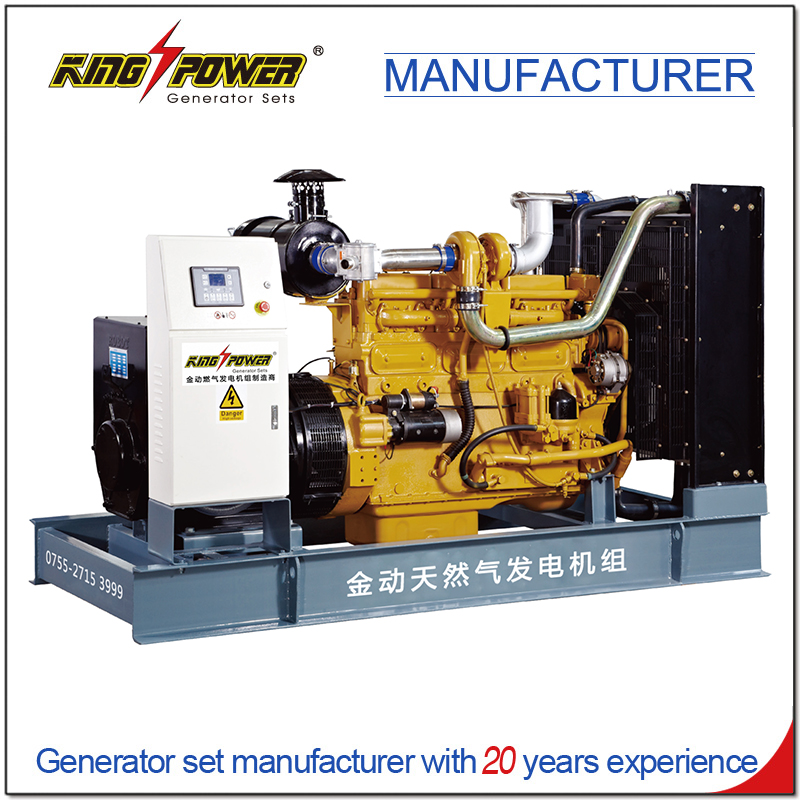
Switching fuels fundamentally changes how you manage an off-grid site. A dedicated remote facilities LPG generator set introduces unique operational strengths. These benefits directly target the weakest points of traditional remote power setups. From fuel chemistry to asset security, LPG solves several persistent industry headaches.
LPG possesses a massive chemical advantage over liquid fuels. It simply does not expire. You can store propane in a pressurized tank indefinitely. It never gums up fuel lines. It never separates into unusable components. You do not need to buy chemical stabilizers. Standby generators might sit idle for months. When a sudden power emergency hits, the LPG remains perfectly viable. This single trait reduces standby generator maintenance significantly. You eliminate the stress of managing stale fuel inventories.
Freezing temperatures easily defeat traditional diesel engines. Diesel fuel gels in extreme cold. This gelling blocks flow and prevents engine starts. LPG avoids this completely. Propane boils at -44 degrees Fahrenheit (-42 degrees Celsius). It vaporizes reliably even in brutally cold climates. Your generator starts smoothly during winter storms. Telecom towers on snowy mountains rely heavily on this low boiling point. It guarantees baseline power when heating demands peak.
Environmental regulations grow stricter every year. Sensitive regions strictly monitor air quality. Burning LPG produces far fewer emissions than diesel. You see massive reductions in Nitrogen Oxides (NOx). Sulfur Oxides (SOx) drop to near zero. Particulate matter (PM) virtually disappears. You avoid heavy regulatory fines. You protect local wildlife and fragile ecosystems. Clean operation simplifies the permitting process for new remote sites. It aligns perfectly with modern corporate sustainability goals.
Fuel theft plagues unmanned remote operations. Thieves easily siphon liquid diesel from standard tanks. They load it into plastic jugs and drive away. LPG stops this casual theft instantly. The fuel remains highly pressurized inside heavy steel tanks. You need specialized pumping equipment to transfer it safely. Attempting to siphon pressurized gas without proper valves is practically impossible. This physical barrier drastically reduces inventory shrinkage. Your fuel stays exactly where you need it.
You cannot buy off-grid equipment blindly. You must scrutinize the technical details. Evaluating exact LPG generator set specifications prevents disastrous sizing errors. Proper specification matching ensures the machine handles your actual site loads safely.
Generators carry specific duty cycle ratings. You must match the kilowatt (kW) or kilovolt-ampere (kVA) output correctly. A standby rating means the unit runs occasionally during emergencies. A prime rating means the unit runs continuously as the primary power source. Running a standby-rated unit continuously will destroy the engine prematurely. You must audit your load profile. Identify your motor starting requirements. Choose a prime-rated engine if you lack solar support.
Understanding fuel burn dictates your logistical schedule. Do not look only at peak consumption. You must calculate expected fuel burn at 50%, 75%, and 100% loads. Most generators rarely run at full capacity constantly. Accurate consumption math helps you size your on-site storage tanks. It dictates how often the delivery truck must visit your site. A larger tank requires fewer deliveries. This saves significant transportation money over time.
Remote environments punish machinery mercilessly. Dust, moisture, and extreme heat destroy unprotected alternators. Always check the Ingress Protection (IP) ratings. Look for IP54 or IP65 enclosures for severe dust resilience. Verify the alternator insulation class. Class H insulation handles higher internal temperatures safely. A rugged enclosure prevents rodent infestations. It shields sensitive control wiring from driving rain.
Modern remote sites utilize hybrid energy systems. Your generator must communicate with other equipment. It requires an advanced digital controller. It needs an automatic transfer switch (ATS). The controller must talk seamlessly to solar inverters. It must read the state of charge from your BESS. When batteries drop below 20%, the generator must start automatically. This microgrid compatibility prevents blackouts and extends battery life.
Review the standard technical comparison below to understand typical requirement differences.
| Specification Parameter | Standard Commercial Use | Remote Facility Requirement |
|---|---|---|
| Duty Cycle Rating | Standby (Emergency only) | Prime (Continuous operation capability) |
| Alternator Insulation | Class F | Class H (High temp resilience) |
| Enclosure Protection | IP23 (Basic indoor/outdoor) | IP54 or IP65 (Dust/water tight) |
| Control System | Basic Auto-Start | Advanced Hybrid Microgrid Controller |
Hardware represents only half the battle. Deployment requires rigorous logistical planning. A brilliant machine fails instantly without proper installation. You must anticipate the physical and regulatory hurdles of isolated geography. Address these implementation risks early in your project phase.
Your generator runs only as reliably as your fuel route. Bulk LPG delivery requires specialized trucks. You must confirm local distributor availability before buying equipment. Can their trucks physically reach your mountain site? Do dirt access roads wash out during heavy rains? Consider skid-tank deployments. You can swap empty tanks for full ones using a crane. Establish clear delivery triggers so you never run empty.
Pressurized gas requires strict safety compliance. You must follow local fire safety codes closely. The National Fire Protection Association (NFPA) provides strict guidelines. You must respect mandatory tank setback distances. Tanks must sit a specific distance from buildings and property lines. You must pour reinforced concrete pads for stability. Install steel bollards for crash protection against rogue vehicles. Never skip these structural requirements.
Follow these standard site preparation steps:
We must maintain balanced claims regarding LPG maintenance. LPG burns remarkably cleaner than diesel fuel. It leaves fewer carbon deposits inside the combustion chamber. This extends the lifespan of engine oil and spark plugs. However, spark-ignited engines still require rigorous attention. You cannot abandon them. Technicians must perform scheduled valve lash adjustments. They must inspect the ignition system wiring for degradation. Clean fuel does not eliminate the need for proactive mechanical care.
You cannot send a technician to check gauges daily. You need advanced telemetry using IoT sensors. Remote monitoring software provides total visibility from hundreds of miles away. You can view fuel levels directly on your smartphone. You can monitor starter battery health. The system sends instant alerts for engine fault codes. This data allows predictive maintenance. You fix minor issues before they cause catastrophic site shutdowns.
Off-the-shelf solutions rarely fit extreme off-grid demands perfectly. You often need tailored engineering to survive harsh conditions. Finding the right manufacturing partner dictates your long-term success. You must vet vendors rigorously before signing purchase orders.
Standard generators struggle under extreme environmental pressure. You might need a custom LPG generator set tailored to your geography. High altitudes reduce oxygen density drastically. Naturally aspirated engines suffocate and lose power. Custom turbocharging solves this altitude derating issue. Some sites sit near wildlife reserves. They require specific acoustic attenuation to meet strict noise limits. Custom soundproof enclosures achieve these decibel targets. Hybrid microgrid synchronization also demands specialized wiring harnesses.
Your relationship with the vendor begins after the sale. You rely on them for critical support. Ask tough questions during the procurement phase. Demand evidence of their technical competence.
Use this evaluation chart to score potential vendors effectively.
| Evaluation Criteria | Poor Vendor Profile | Ideal Vendor Profile |
|---|---|---|
| Industry Experience | Only commercial urban installs | Proven off-grid mining/telecom cases |
| Engineering Scope | Resells standard units only | In-house custom acoustic and thermal engineering |
| Aftermarket Support | Ships parts from overseas (3 weeks) | Maintains local parts depot and SLA guarantees |
Working with an experienced LPG generator set supplier removes guesswork. They help you specify the perfect machine. They guide you through safety codes. They ensure your microgrid controller integrates flawlessly.
An LPG generator set completely transforms remote facility operations. It shifts your power strategy from an unpredictable liability to a highly manageable asset. You eliminate the constant threat of stale fuel and microbial sludge. You reduce emissions significantly while preventing easy fuel theft. Your machinery starts reliably even in freezing winter conditions. These benefits create a robust foundation for off-grid success.
You must take proactive steps to secure your site power. Begin by auditing your current daily load requirements. Calculate your exact motor starting surges. Map out your local fuel supply routes carefully. Compare your existing diesel maintenance burdens against a cleaner gas alternative.
Do not wait for a catastrophic blackout to upgrade your infrastructure. Reach out to a qualified engineering team today. Request a comprehensive load analysis and operational efficiency calculation. Secure your remote facility with reliable, clean, and continuous power.
A: You can store LPG indefinitely. It requires properly maintained pressurized steel tanks. The fuel never degrades, separates, or forms microbial sludge. This chemical stability completely eliminates the need for expensive fuel polishing services. It serves as the ultimate long-term standby fuel.
A: Yes, integration works exceptionally well. You need a compatible hybrid digital controller and an automatic transfer switch. The generator acts as the ultimate reliable backup. It automatically starts when heavy loads drain your battery energy storage systems, ensuring zero downtime.
A: You must look beyond the daily per-gallon price. While raw fuel costs fluctuate regionally, long-term operational costs are often lower. LPG drastically reduces fuel theft. It extends engine oil life and prevents costly fuel spoilage. You avoid expensive environmental spill fines entirely.
A: Yes, high altitude reduces performance. Naturally aspirated engines lose roughly 3% of their rated power per 1,000 feet of elevation. The thinner air limits combustion. You solve this by implementing custom turbocharging or intentionally over-sizing the alternator to handle the derating factor safely.

