
T: 0086 13510078491
Tianraobu Village, Hengli Town, Dongguan City, Guangdong Province, 523472, China.
Views: 0 Author: Site Editor Publish Time: 2026-07-03 Origin: Site


A flashing warning light on your dashboard usually means one thing. Your engine is struggling to breathe. When a vehicle enters "limp mode" or fails an emissions test, you face sudden downtime. The core issue often lies within the diesel particulate filter. This vital component traps harmful soot to ensure optimal Exhaust Gas Purification. Over time, incombustible ash and heavy soot overload the system entirely. You must decide how to fix it efficiently.
You face several choices. You might attempt on-vehicle forced regeneration. You could utilize specialized chemical additives. Alternatively, you might invest in professional off-vehicle cleaning services. Preventative maintenance keeps systems running smoothly at a low expense. However, heavily calcified ash requires verifiable mechanical intervention. Miracle chemical cures simply cannot dissolve hardened minerals. We will explore proven methods to restore your exhaust system safely. You will learn exactly how to diagnose blockages and select the right cleaning protocol.
Operators often confuse soot and ash. They treat both as identical problems. Combustible soot accumulates naturally during normal driving. Vehicles manage soot via high-temperature regeneration cycles. The engine essentially burns this carbon away. Incombustible ash presents a different challenge entirely. Burnt engine oil and repeated regeneration cycles produce this hard residue. Ash physically fills the filter over time. You cannot burn it away safely. It demands physical removal. If you ignore ash buildup, it severely restricts airflow. It permanently damages exhaust components.
Your vehicle's computer constantly monitors exhaust flow. It uses differential pressure sensors to measure restriction. High pressure upstream indicates a severe blockage. You might notice sudden drops in fuel economy. The engine works harder to push exhaust out. ECU fault codes will eventually trigger warning lights. These metrics provide early indicators of trouble. Rely on diagnostic software rather than guesswork. Accurate readings prevent catastrophic failures. Always address warning lights immediately to avoid compounding engine damage.
User forums often promote a dangerous myth. Many people suggest driving at highway speeds to clear heavily blocked filters. This strategy works well for minor soot accumulation. It fails completely when dealing with heavy ash. Highway driving generates heat for passive regeneration. Active regeneration injects extra fuel to raise temperatures further. However, both methods reach a critical threshold. They cannot clear calcified ash. Forcing regeneration on a heavily restricted filter risks severe thermal damage. Physical cleaning becomes mandatory at this stage.
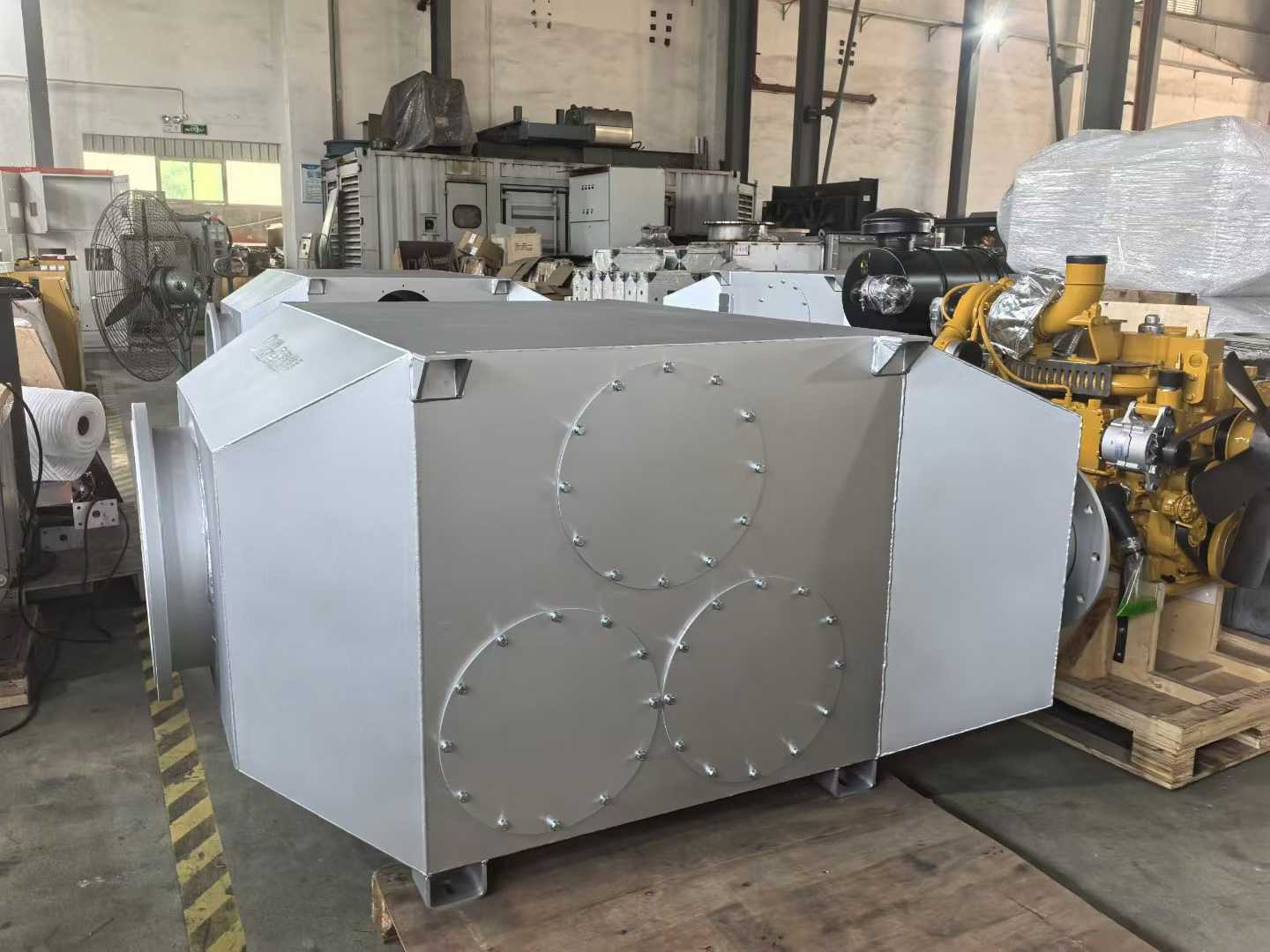
You can pour specialized additives directly into the fuel tank. A quality DPF purifier chemically lowers the burning temperature of trapped soot. It aids the regeneration process significantly. This method works best for preventative maintenance. It handles early-stage, minor soot loading beautifully. Many drivers use it to extend maintenance intervals. However, it carries severe limitations. It remains completely ineffective against baked-in ash. It cannot clear heavy oil saturation. You should use it strictly as a preventative tool.
Mechanics often perform forced regeneration using diagnostic software. They command the ECU to artificially raise exhaust temperatures while parked. The engine runs at high idle. It burns off accumulated soot forcefully. This process clears moderate blockages quickly. However, it carries significant risks. It puts extreme thermal stress on the engine. The exhaust system endures intense heat. Furthermore, it completely ignores physical ash volume. It only removes combustible carbon. You still need physical cleaning eventually.
This approach delivers the most comprehensive results. Technicians physically remove the unit from the vehicle. They utilize commercial machinery to back-flush the system. They bake it in thermal kilns and blow out trapped particulate matter. This method removes both soot and hardened ash. It restores filter capacity to up to 98% of original OEM specifications. It requires the highest upfront investment. Yet, it provides the most reliable return for severely restricted units.
| Cleaning Method | Primary Mechanism | Best Application | Major Limitation |
|---|---|---|---|
| Chemical Additives | Lowers soot ignition temperature | Preventative maintenance | Ineffective against hardened ash |
| Forced Regeneration | Software-triggered high heat | Clearing moderate soot loading | Causes extreme thermal stress |
| Off-Vehicle Professional | Thermal baking and physical flushing | Severe blockages and high ash volume | Requires complete component removal |
Passenger vehicles operate under unique constraints. They often perform short city trips. These short drives prevent proper passive regeneration. You need cost-effective, rapid-turnaround solutions here. Decision criteria lean heavily on local workshop capabilities. Drivers want to minimize immediate out-of-pocket costs. Workshops frequently use mild aqueous cleaning systems for cars. These systems flush out soot quickly. They return the vehicle to the road within hours. Preventative driving habits matter immensely for passenger diesels.
Commercial fleets operate on tight schedules. You must focus on minimizing fleet downtime above all else. Transport managers rely on standardized maintenance intervals. They swap clogged units with pre-cleaned replacements immediately. This swap program keeps trucks moving. They clean the dirty units in-house later. Heavy-duty trucks generate massive amounts of ash over long hauls. Thermal baking serves as the industry standard here. It removes deeply embedded ash from large industrial substrates effectively.
Stationary power systems face the toughest conditions. They often run under consistent, low-load operating profiles. Passive regeneration becomes completely impossible here. The exhaust simply never gets hot enough. You must implement strict maintenance protocols for any diesel generator exhaust purifier. Operators frequently utilize active load banks to force higher exhaust temperatures artificially. Without this intervention, soot chokes the generator quickly. Preventative removal and off-site cleaning remain critical for stationary power reliability.
Workshops must choose between aqueous and dry systems. Aqueous systems use pressurized water mixed with specialized detergents. They flush the cabinet aggressively. They work fast and handle wet oil saturation well. Dry systems rely on thermal kilns. They bake the unit at high temperatures for hours. Afterward, they use powerful air blasts to clear the ash. Dry systems excel at removing deeply calcified ash deposits. You should select the system matching your specific diagnostic needs.
Trustworthy mechanics never skip testing. Pre-cleaning airflow testing establishes a baseline. Post-cleaning testing proves the volumetric flow has returned to normal. Any reliable exhaust gas purification equipment must include built-in pressure sensors. The service provider must prove the unit functions correctly before reinstallation. Visual inspections also detect internal cracks. Testing prevents premature failures. It guarantees the cleaning process actually succeeded.
Cleaning generates hazardous waste. You extract highly concentrated ash and heavy metals. You cannot simply wash this debris down the drain. Strict environmental compliance governs disposal. Professional equipment features closed-loop filtration systems. They capture the hazardous sludge safely. Workshops must contract certified waste disposal companies. They transport the captured ash to approved processing facilities. Environmental negligence results in massive fines. Proper waste management protects both the environment and your business.
Improper cleaning destroys expensive components. You must never use high-pressure power washers blindly. Unapproved industrial solvents dissolve the precious metal wash coat. Severe pressure cracks the delicate SCR honeycomb ceramic easily. Once the ceramic fractures, you must replace the entire unit. Water can hydro-lock microscopic channels. It turns soot into impenetrable mud. Always use equipment specifically designed for exhaust maintenance. Protect your investment through proper procedures.
Many operators consider bypassing the system entirely. They install exhaust cutouts or perform electronic deletes. We strongly warn against this practice. It carries severe legal liabilities. Environmental agencies issue massive fines for tampering. It voids your manufacturer warranty instantly. Furthermore, modern engines rely on precise exhaust backpressure. Removing the filter disrupts the entire combustion balance. It leads to turbocharger issues eventually. Proper cleaning remains the only sustainable solution.
Physical cleaning only solves half the problem. You must address the vehicle's computer next. The engine management system adapts to the clogged filter over time. It alters fuel injection timing to compensate for high backpressure. You must reset the ECU's learned values post-installation. The computer needs to recognize the newly restored airflow. If you skip this step, the engine runs incorrectly. It might trigger false warning lights immediately. Always finalize the job with proper diagnostic software.
You must match your cleaning method to the exact severity of the blockage. Minor soot accumulation responds well to fuel additives and active regeneration. However, hardened ash demands professional off-vehicle extraction. You should evaluate your specific vehicle application carefully. Passenger cars require different approaches compared to stationary industrial generators. Replacing a unit should always remain your absolute last resort. You should attempt professional cleaning first. We encourage you to schedule a diagnostic pressure test today. Source a vetted professional cleaning service immediately. Procure certified preventative maintenance products based on your current system status. Proactive care ensures long-term operational success.
A: We strongly advise against this approach. High-pressure water destroys fragile internal components. You risk hydro-locking the microscopic channels completely. The water traps remaining soot into a solid, impenetrable mass. It often fractures the delicate ceramic substrate upon drying. Always rely on specialized processes instead.
A: Professional off-vehicle cleaning requires precise timing. You should expect a turnaround of 24 to 48 hours. This timeframe allows proper thermal baking to loosen hardened ash safely. Mechanics conduct rigorous pre-testing and post-cleaning airflow validation. Rushing this process guarantees incomplete ash removal.
A: Professional cleaning represents a minor operational expense. An OEM replacement demands significant capital outlay. Cleaning restores original filter performance efficiently. It preserves your existing factory equipment safely. You avoid enormous parts replacement expenses while maintaining strict environmental compliance.
A: Rapid re-clogging points directly to unaddressed upstream engine issues. Failing fuel injectors dump excess soot into the system constantly. Sticking EGR valves create severe combustion imbalances. Bad differential pressure sensors send incorrect data. You must repair these engine faults first. Otherwise, the clean unit will fail again quickly.

