
T: 0086 13510078491
Tianraobu Village, Hengli Town, Dongguan City, Guangdong Province, 523472, China.
Views: 0 Author: Site Editor Publish Time: 2026-08-21 Origin: Site


Receiving a heavy-duty power system containing factory defects causes severe project delays. Facility managers face critical operational downtime. Reverse logistics become incredibly complex and expensive. Pre-shipment inspections stand as your final barrier against these severe risks. Enterprise buyers must understand the exact testing workflow involved. You need this knowledge to evaluate whether a procured diesel generator set is genuinely deployment-ready before it ships. Unverified equipment always creates hidden liabilities on site.
This guide outlines the non-negotiable Factory Acceptance Testing (FAT) standards. We detail the physical checks and performance validations you must demand. You should never approve a shipment before verifying these specific metrics. You will learn how to verify structural integrity and assess fluid systems accurately. We also cover load bank testing protocols and compliance documentation reviews. Following these steps ensures your critical backup power systems operate flawlessly when unexpected grid failures occur.
Unverified equipment creates massive hidden liabilities for any organization. Failing to inspect systems prior to dispatch often leads to emergency on-site troubleshooting. This negligence can easily void manufacturer warranties. It may even cause catastrophic operational failure during a critical grid outage. Facilities simply cannot afford a backup power failure when primary grids collapse. You must proactively eliminate manufacturing defects before the equipment leaves the factory floor.
The primary business goal involves achieving 100% verification across all components. You must confirm the unit matches your purchase order exactly down to the smallest relay. It must perform reliably under peak load scenarios for extended durations. The equipment must also meet strict environmental and safety compliance standards. Without proper testing, site integration becomes a dangerous guessing game. Real-world engineering experience shows minor factory oversights frequently cause major field failures.
A trustworthy diesel generator set supplier operates using complete transparency. They never resist buyer oversight or obscure testing metrics. Instead, reliable manufacturers proactively offer high-definition video evidence of testing procedures. They provide live remote access for your engineers to watch the testing phases. They gladly welcome independent third-party inspection teams onto their factory floor. When manufacturers hide testing data, you should immediately pause the procurement process. Transparent testing proves supplier reliability.
Physical inspections form the baseline of factory acceptance testing. A rigorous visual hardware audit identifies manufacturing flaws early. You must inspect the skid base, acoustic canopy, and engine block thoroughly. Look closely for structural integrity issues. Check for uniform paint consistency across the enclosure. Ensure the assembly shows zero signs of physical trauma. Scratches, dents, or misaligned panels often indicate poor factory handling.
Cross-reference the nameplate data immediately upon inspection. The alternator rating, voltage output, and engine model must perfectly match the finalized diesel generator set specifications. Never assume the factory built the exact model you ordered. Early verification prevents costly on-site electrical mismatches.
Custom configurations require extreme diligence from inspection teams. Buyers ordering a custom diesel generator set must meticulously verify all bespoke components. You should check specialized acoustic enclosures for correct dimensions. Inspect oversized base fuel tanks for accurate capacity. Verify custom control panel layouts against original engineering drawings. The physical build must mirror the approved schematics flawlessly.
Transit vibrations naturally exacerbate loose fittings. You must conduct thorough vibration and fastener checks before shipping. Ensure all mounting bolts possess the correct torque values. Verify anti-vibration pads sit securely under the engine block. Tighten all electrical terminal connections firmly. Fluid leaks and electrical faults often occur upon arrival due to improper factory torquing.
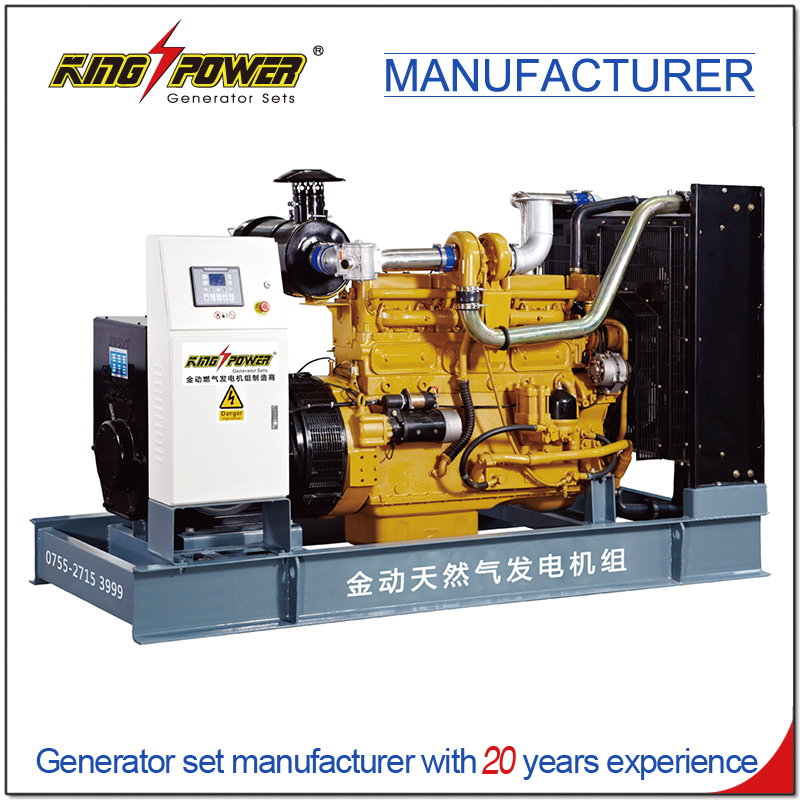
Fluid leaks present serious safety and environmental hazards. You must conduct a thorough inspection targeting the cooling, lubrication, and fuel lines. Implement fluorescent dye tests or utilize pressure testing protocols. These methods easily confirm absolute seal integrity across the entire engine block. Even microscopic leaks will expand rapidly under continuous operational stress.
Fuel system readiness dictates startup success upon delivery. Factory technicians must verify fuel pump calibration accurately. They need to confirm proper fuel filter installation. If the factory tests the unit using actual diesel fuel, strict drainage protocols must exist. They must drain the fuel lines or add specific stabilizing agents before shipping. This step prevents dangerous microbial growth during transit. Stagnant fuel creates heavy sludge, which clogs injectors during initial site commissioning.
Confirm fluid levels and quality before signing off on the hardware. Oil and coolant volumes must match manufacturer requirements perfectly. This ensures a safe engine break-in period once deployed. Document all chemical mixtures accurately in the report. Anti-freeze ratios must align perfectly against the destination climate. A unit shipping to a freezing environment requires specific glycol concentrations.
| System | Inspection Method | Pass/Fail Criteria |
|---|---|---|
| Cooling System | Pressure test radiator and hoses | Zero pressure drop over 30 minutes; correct coolant ratio |
| Lubrication | Dipstick check and dye test | Oil level at MAX line; zero dye visible near engine gaskets |
| Fuel Lines | Visual tracking and pump priming | No weeping at joints; fuel filters correctly seated |
A simple dry run is highly insufficient for commercial power equipment. Simply starting the engine proves very little about its capability. You must demand a comprehensive multi-stage load bank test. This core evaluation applies artificial electrical loads to simulate real-world facility demand. Technicians typically test the unit at 25%, 50%, 75%, and 100% of rated capacity. This process monitors thermal stability precisely. It also tracks fuel consumption rates accurately over several continuous hours.
Transient response testing separates reliable units from failing ones. Technicians measure sudden voltage and frequency dips during heavy load applications. This serves as a critical pass/fail metric. It matters immensely when evaluating an emergency backup diesel generator set. Emergency units must accept full facility load within seconds. NFPA 110 requirements mandate life-safety systems power critical loads in under ten seconds.
Control panel and sensor calibration ensures long-term operational safety. You must validate all integrated safety alarms. Test low-oil shutdowns by simulating pressure drops artificially. Trigger engine overspeed protections during the test. Engage the emergency stop (E-stop) mechanism under full load conditions. Every safety sensor must trigger accurately under simulated fault conditions. If a sensor fails on the factory floor, it will likely fail during a real emergency.
Data transparency guarantees long-term equipment quality. Never accept a verbal "pass" from factory testing personnel. You must require the formal FAT report before approving logistics. This document provides undeniable empirical proof of performance. It details voltage stability, output current, and frequency data. It records oil pressure and coolant temperature at strict temporal intervals during the entire load test.
Compliance verification represents another mandatory procurement step. Ensure the FAT documentation explicitly references adherence to relevant global standards. Look closely for ISO 8528 compliance ratings. Verify CE markings or UL listings based on your location. These essential certifications prove the equipment meets legal and safety obligations for your specific region.
Use the FAT documentation as your final logistics checkpoint. Shortlist your next steps based entirely on this empirical data. If the supplier provides incomplete data sheets, pause the shipment immediately. If they refuse to document simulated fault shutdowns, halt the process entirely. A fully verified, stamped FAT report acts as your official green light. Once approved, you can confidently hand off the equipment to your freight forwarding teams.
Pre-shipment inspection remains a critical procurement safeguard for any facility relying on continuous power. By enforcing strict mechanical, fluid, and load-testing protocols, buyers effectively mitigate severe deployment risks. You protect your infrastructure from untested factory flaws.
Contact our engineering team today to review our standard FAT protocols in depth. We can help you schedule a highly secure remote inspection for your next critical power project. Protect your facility by ensuring operational readiness from day one.
A: A routine run test only verifies the engine starts and idles successfully. It provides minimal performance data. A load bank test applies artificial electrical loads to simulate real-world facility demands. This rigorous testing process ensures the alternator, engine, and cooling systems perform perfectly under actual operating stress without overheating.
A: Yes. Reputable manufacturers always encourage independent third-party inspections. Organizations like SGS or Bureau Veritas provide unbiased verification. They thoroughly evaluate the equipment's physical condition, safety compliance, and performance metrics before it leaves the factory floor. This standard practice adds an essential layer of procurement security.
A: Emergency systems must undergo strict transient response testing. This proves they can start and assume life-safety or critical loads within a legally mandated timeframe, often under 10 seconds. Technicians must also meticulously verify all automatic transfer switch (ATS) communication protocols during this critical phase.
A: Custom enclosures demand additional acoustic testing to verify specific decibel (dB) reduction targets are met. Inspectors must also conduct rigorous airflow checks. This ensures the bespoke housing does not restrict engine cooling intake or exhaust flows when the unit operates continuously at 100% capacity.

