
T: 0086 13510078491
Tianraobu Village, Hengli Town, Dongguan City, Guangdong Province, 523472, China.
Views: 0 Author: Site Editor Publish Time: 2026-09-06 Origin: Site


Performance loss in your power generation setup goes far beyond a simple engineering headache. Unstable electrical output acts as a direct threat to your operational uptime, return on investment, and grid-compliance agreements. We must acknowledge an important reality about this alternative fuel source. Biogas acts aggressively and varies wildly compared to standard natural gas. Because of these distinct fluctuations, standard equipment operational benchmarks often prove completely insufficient for ensuring long-term reliability.
Resolving output instability requires a comprehensive approach rather than relying on quick mechanical fixes. You must commit to a systematic audit of your incoming fuel quality, internal engine components, and baseline equipment sizing. Operators frequently misdiagnose the root cause of power drops because they look exclusively at the engine. They ignore the upstream biological processes feeding the system.
In this guide, we will break down the primary culprits behind sudden power derating and chronic engine wear. You will learn how to identify biological digester crashes and manage highly corrosive gas contaminants. Furthermore, we will explain how ensuring your system configuration matches actual site conditions guarantees maximum electrical stability.
Fuel Volatility: Fluctuating methane (CH4) concentrations and anaerobic digester instability are the primary culprits for sudden power derating.
Contaminant Wear: Hydrogen sulfide (H2S) and siloxanes cause irreversible mechanical degradation if gas pre-treatment fails.
Specification Mismatch: Operating outside defined biogas generator set specifications leads to chronic inefficiency and thermal stress.
Vendor Accountability: Choosing the right biogas generator set supplier with proven post-sale maintenance protocols is critical for long-term lifecycle performance.
Biogas production relies entirely on sensitive biological processes inside the anaerobic digester. When a digester becomes unstable, the gas quality feeding your biogas generator set immediately suffers. A "sour digester" or biological crash severely reduces methane (CH4) levels. Standard optimal gas mixtures usually contain between 50% and 65% methane. A biological crash can rapidly drop this vital concentration below 45%. When methane concentration plummets, the engine is forced to run extremely lean. It struggles to maintain combustion and inevitably drops its kW output. Plant operators often mistake this sudden derating for a mechanical engine failure.
Biological crashes stem from various operational errors. Sudden temperature drops inside the digester tank slow down methanogenic bacteria. Overfeeding the system creates excessive volatile fatty acids, rapidly lowering the internal pH. These acidic conditions inhibit bacteria from converting organic matter into combustible gas. As methane yield drops, carbon dioxide percentages spike. This non-combustible gas acts as a flame retardant inside the engine cylinder.
Moisture content presents another massive hurdle for steady continuous power generation. Raw biogas naturally carries a very high volume of water vapor. Saturated gas can easily bypass inadequate or failing cooling units. Once this wet gas enters the engine combustion chamber, it wreaks havoc on the ignition cycle. Water absorbs immense amounts of combustion heat. This physical process lowers peak cylinder temperatures and drastically reduces overall engine thermal efficiency. In severe cases, excessive condensation leads to constant engine misfires. Misfires cause rough running conditions and prevent the system from synchronizing cleanly to the local electrical grid.
You cannot effectively manage what you do not accurately measure. We strongly recommend installing baseline continuous gas monitoring systems before attempting to diagnose potential mechanical faults. Proper system evaluation requires real-time data input. You need continuous tracking of CH4, oxygen (O2), and hydrogen sulfide (H2S) levels. This proactive lens allows you to distinguish between an internal engine problem and a biological fuel delivery issue. You can quickly adjust engine parameters or pause operations before poor gas quality damages critical internal components.
Biogas contains uniquely aggressive chemical impurities. These microscopic contaminants act as silent killers for expensive internal engine components. Hydrogen sulfide (H2S) represents the most common threat found in agricultural and industrial digesters. During the high-temperature combustion process, H2S converts directly into sulfur dioxide. When combined with residual water vapor present in the cylinder, it forms sulfuric acid. This highly corrosive acid attacks the engine directly from the inside out.
The acid rapidly degrades lubricating oil by depleting its base number (TBN). Engine oil uses specific alkaline additives to neutralize acid formation. Once the oil loses its neutralizing capacity, the acid eats away at main bearings, cylinder liners, and piston rings. We frequently see engines fail prematurely simply because operators stretched their oil drain intervals too far while burning high-sulfur gas.
Siloxanes pose an equally destructive but physically different mechanical threat. Landfill gas facilities and wastewater treatment plants frequently struggle with high siloxane concentrations. Under extreme combustion temperatures, these volatile chemical compounds break down and transform into hard silicon dioxide. Essentially, your engine produces microscopic glass or sand particles during every single combustion stroke.
This rapid scaling process leads to severe operational consequences:
Hard deposits coat the spark plug electrodes, completely blocking the ignition spark.
Abrasive silica buildup occurs on intake and exhaust valves, preventing them from seating properly.
Thick insulating layers form inside the cylinder heads, reducing clearance volume and altering compression.
Severe internal friction causes rapid compression loss across multiple engine cylinders.
Skipping scheduled maintenance dramatically accelerates these equipment failure curves. Relying on visual inspections alone will not suffice. Scheduled professional oil analysis serves as your primary defense against internal corrosive attacks. If your gas scrubbing equipment fails or degrades over time, impurities will slip through the system directly into the intake manifold. You must clean your gas scrubbers, replace activated carbon filters, and analyze oil samples strictly on schedule. Emphasize this implementation risk to your maintenance teams. Ignoring these protocols guarantees costly top-end overhauls long before the engine reaches its intended lifecycle.
Contaminant Impact Summary Matrix
Contaminant Type | Chemical Reaction in Engine | Primary Mechanical Impact |
|---|---|---|
Hydrogen Sulfide (H2S) | Converts to highly corrosive sulfuric acid | Corrodes bearings and rapidly degrades engine oil TBN |
Volatile Siloxanes | Converts to abrasive silicon dioxide (sand) | Causes severe friction, valve scoring, and compression loss |
Excessive Moisture Vapor | Absorbs critical combustion chamber heat | Leads to constant engine misfires and severe thermal inefficiency |
Consistent power generation requires a perfectly balanced air-to-fuel ratio. Stoichiometric imbalance occurs when the mechanical system cannot adjust to fluctuating gas properties. The mechanical gas mixer and the electronic fuel control valve carry the responsibility of maintaining this vital balance. If the fuel control valve fails, the engine cannot adapt to changing biogas caloric values. A sudden surge in methane will cause a rich mixture, leading to unburned fuel escaping into the hot exhaust system.
Conversely, a sudden drop in methane creates a dangerously lean mixture. Lean mixtures trigger aggressive detonation or engine knock. Detonation causes massive pressure spikes inside the cylinder. Both scenarios disrupt stable electrical output and risk catastrophic piston damage. Modern systems rely on sensitive lambda sensors to monitor exhaust oxygen levels. If these sensors become coated in silica dust or soot, they send faulty data back to the control panel.
Thermal management failures frequently cause mysterious and sudden power drops. Generating continuous power produces massive amounts of heat. Cooling system inefficiencies trap this dangerous heat inside the engine block. Fouled radiators restricted by dust, pollen, or agricultural chaff cannot exchange heat effectively with the ambient air. Jacket water blockages restrict vital coolant flow around the hottest parts of the cylinder heads. When the engine overheats, the control panel registers a critical thermal alarm.
We must acknowledge an evidence-oriented truth about modern power generation equipment. Even premium heavy-duty engines will automatically throttle their output if thermal limits are breached. The engine control unit (ECU) protects the hardware by initiating an automated safety derating sequence. If internal heat rejection exceeds design limits, the system actively cuts fuel delivery. High ambient temperatures during peak summer months exacerbate this exact issue. You might notice the generator dropping 20% of its rated capacity simply because the external air temperature prevents adequate radiator cooling. Proper airflow modeling and strict radiator cleaning schedules remain non-negotiable for stable daily output.
Operating outside intended engineering parameters ruins equipment efficiency over time. Many performance issues originate long before the engine ever starts running on site. They begin directly during the initial procurement phase. Load mismatching stands out as a highly prevalent industry mistake. Chronic under-loading causes a harmful mechanical condition known as wet stacking. When the engine runs below 50% capacity, exhaust temperatures never reach their optimal self-cleaning levels. Unburned fuel, heavy oil, and carbon naturally accumulate in the exhaust system. Over time, this thick glazing restricts exhaust flow and destroys turbocharger efficiency.
Conversely, chronic over-loading pushes components past their designed thermal limits. Forcing a machine to run at 110% capacity to make up for low gas yields drastically shortens engine lifespan. Bearings wear out faster, and cylinder head temperatures exceed safe metallurgical thresholds.
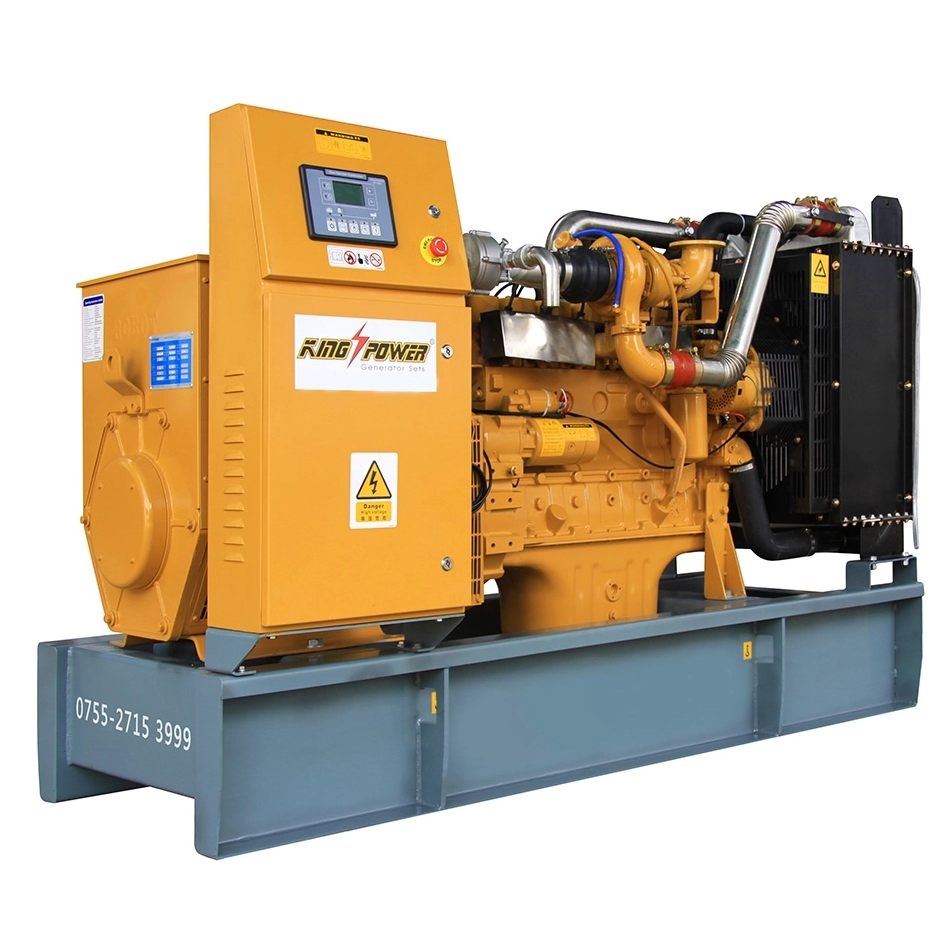
Consider the specific configuration of an open 250kw 313kva biogas generator set. Matching these exact kVA/kW ratings to your digester's actual daily gas yield proves absolutely critical for grid stability. If your anaerobic digester only produces enough gas to sustain 150kW, installing a massive 500kW engine makes zero economic sense. The larger engine will rapidly consume the available gas pressure, stall out, and wait for the digester to repressurize. This cycle creates continuous stalling, restarting, and grid synchronization failures. Correctly sizing the equipment to match baseline gas production prevents this harmful cyclical operation.
Local site conditions must strongly dictate your initial specification sheet. Atmospheric pressure and ambient temperature directly impact combustion air density. You must account for these environmental variables to avoid baseline performance deficits upon commissioning:
Altitude Derating: Engines installed at high elevations receive less oxygen per cubic meter of air, significantly reducing total combustible power output.
Temperature Derating: High ambient site temperatures decrease air density, starving the engine of necessary combustion oxygen during summer months.
Humidity Derating: High humidity displaces combustible oxygen in the intake air, further lowering the air-fuel mixture efficiency.
You must adjust your operational expectations based on these physical realities. A generator rated for 250kW at sea level will absolutely not produce 250kW at an elevation of 2,000 meters. Failing to factor in site-specific derating calculations guarantees chronic underperformance from day one.
Procuring heavy equipment involves much more than just comparing simple spec sheets. You must frame your equipment vendor as a long-term operational risk-mitigation partner. A failing unit out in the field often points back to poor initial commissioning. It also highlights a severe lack of localized technical support. Evaluating vendors properly ensures you possess a reliable lifeline when unexpected gas quality issues inevitably arise.
You need clear shortlisting logic when comparing heavy machinery manufacturers. Do not base your final decision solely on upfront capital costs. Consider the harsh operational realities of running biological gas daily. Ask pointed questions during the procurement and negotiation phase. Do they provide highly transparent maintenance schedules specifically tailored for aggressive biogas? Are critical spare parts, such as custom spark plugs and specific gas mixers, readily accessible in your geographical region? Waiting weeks for a specialized lambda sensor from overseas ruins operational profitability.
Design accessibility also matters immensely for maintenance teams. Complex canopy designs might look sleek, but they often hinder routine maintenance tasks. Do their enclosures or open-skid designs allow for rapid mechanic access? When an engine goes down, every minute spent dismantling a soundproof enclosure wastes valuable runtime. Furthermore, you should verify if they can seamlessly integrate predictive monitoring systems into your existing control room. Supervisory Control and Data Acquisition (SCADA) integration allows for proactive early fault detection. It alerts plant operators to minor thermal or vibrational anomalies before they escalate into major mechanical failures.
Procurement teams must take immediate action on vendor support agreements. Advise your purchasing department to thoroughly audit a supplier's Service Level Agreement (SLA). Demand to see historical uptime data for their equipment running on similar biogas compositions in your industry. Verify their promised emergency response times. Genuine proof of performance and accessible maintenance support trumps standard marketing promises every single time.
Performance loss in biogas generation operations rarely stems from a single-point failure. It usually manifests as a complex compounding issue linking back to poor gas quality, severe maintenance deficits, or fundamental specification errors. Unstable digesters produce inconsistent methane, while aggressive chemical contaminants like hydrogen sulfide and siloxanes slowly destroy internal components. When you combine these distinct fuel challenges with improper air-to-fuel ratios and mismatched load sizing, power derating becomes inevitable.
We urge all plant operators to take immediate, proactive steps. Conduct a comprehensive oil and gas analysis this week to identify invisible corrosive threats lurking in your system. Furthermore, review your current equipment capabilities against actual site conditions and realistic daily gas yields. Taking these systematic actions will help you stabilize electrical output, protect your mechanical engine investments, and maximize your operational uptime.
A: Output fluctuation is usually tied to inconsistent methane delivery from the digester or a lagging air-fuel ratio controller struggling to match the gas flow. Biological crashes in the digester create sudden drops in methane percentage. When the engine control unit cannot adapt fast enough to this lean gas, combustion stability falters, resulting in erratic power output and potential grid synchronization failures.
A: Spark plugs and oil filters often require inspection every 500-1,000 hours, though this is heavily dependent on H2S levels and gas pre-treatment efficiency. Routine oil sampling is absolutely critical. If your gas scrubbing system underperforms, highly corrosive sulfuric acid will build up rapidly. This necessitates much shorter maintenance intervals to prevent severe internal bearing and liner degradation.
A: Yes, if the performance loss is due to engine knocking or timing retardation caused by impurities. Clean gas instantly stabilizes combustion and improves the air-to-fuel ratio control. However, existing internal mechanical wear like severe valve scoring or silica deposits from siloxanes will not magically reverse. Reversing physical damage typically requires a comprehensive top-end engine overhaul.

