
T: 0086 13510078491
Tianraobu Village, Hengli Town, Dongguan City, Guangdong Province, 523472, China.


What powers industries and keeps homes running when the grid fails? A gas genset could be the solution you're looking for.
Gas gensets, or gas-powered generators, are reliable systems that harness natural gas or biogas to generate electricity. In this article, we will explore how gas gensets work, their advantages, and why they are becoming a popular choice for businesses and households alike.
Gas gensets, short for gas generator sets, are power generation systems that run on natural gas or biogas. These systems combine an internal combustion engine and an alternator to generate electricity. The engine burns fuel, turning it into mechanical energy, which the alternator then transforms into electrical energy.
At their core, gas gensets are composed of two primary components: an engine and a power generator (alternator). The engine uses fuel—either natural gas or biogas—burning it in the combustion chamber. This process generates mechanical energy, which turns the generator's rotor, ultimately producing electrical power.
A gas genset typically consists of several key components:
Internal Combustion Engine: Powered by natural gas or biogas, this engine ignites the fuel, creating an explosion that powers the system.
Alternator: This component converts the mechanical energy from the engine into electrical energy.
Fuel System: Supplies natural gas or biogas to the engine.
Control Panel: Monitors and manages the generator's operation.
Gas gensets operate by harnessing the power of combustion. Fuel is injected into the combustion chamber, where it is mixed with air and ignited. The resulting explosion drives the engine’s pistons, which convert this energy into mechanical motion. This motion is then transferred to the alternator, which produces electrical energy.
Gas gensets offer several compelling benefits, making them an attractive choice for various power generation needs. Here are some of the most important advantages.
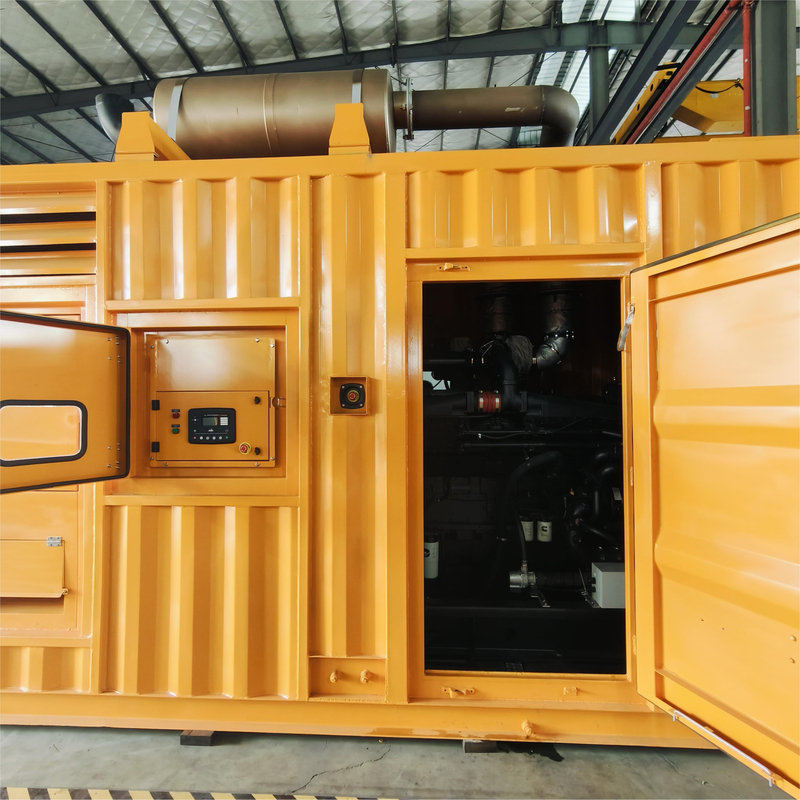
One of the primary reasons businesses and industries prefer gas gensets is their efficiency. Compared to diesel-powered generators, gas gensets can achieve efficiency levels as high as 45-50%. The higher calorific value of natural gas leads to more energy being extracted from the same amount of fuel.
Unlike traditional fossil fuels such as diesel, natural gas is a cleaner-burning fuel. Gas gensets produce significantly lower emissions of harmful gases like carbon dioxide (CO2), nitrogen oxides (NOx), and particulate matter. This makes them a more environmentally friendly choice for power generation.
For example, gas gensets using biogas are even more sustainable as they convert waste materials (such as organic waste or sewage) into energy, reducing landfill waste while generating power.
The operating costs of gas gensets tend to be lower than those of diesel-powered generators. Natural gas is generally cheaper than diesel, and gas gensets require less maintenance due to fewer moving parts and cleaner combustion processes. This helps reduce the overall cost of ownership.
Gas gensets are versatile and can be used in various sectors. Their adaptability makes them a popular choice in both commercial and industrial environments.
In industries like manufacturing, data centers, and heavy production facilities, gas gensets provide reliable and efficient power. Their ability to be integrated into Combined Heat and Power (CHP) systems enhances their appeal by using waste heat for other industrial processes.
Commercial establishments such as hospitals, hotels, and office complexes often rely on gas gensets as backup power sources. In case of grid outages, these gensets ensure that critical operations remain uninterrupted, keeping businesses running smoothly.
For locations without access to the electrical grid, gas gensets are an excellent power solution. These systems can be fueled by natural gas pipelines or biogas, making them suitable for rural areas, isolated islands, or places with limited infrastructure.
Gas and diesel gensets are both popular choices for power generation, but each has its strengths and weaknesses. Let’s compare the two.
| Generator Type | Efficiency (%) | Fuel Type | Emissions | Maintenance Cost |
| Gas Genset | 45-50 | Natural Gas/ Biogas | Low Emissions | Low |
| Diesel Genset | 35-40 | Diesel | High Emissions | High |
Gas gensets tend to operate more quietly than their diesel counterparts, making them ideal for locations with noise regulations or where a quieter operation is preferred. Additionally, gas gensets require less maintenance due to the cleaner combustion process and fewer moving parts.
Governments around the world are increasingly regulating emissions from power generation sources. Gas gensets, with their lower emissions, are often more compliant with environmental standards compared to diesel generators, especially in regions with strict regulations.
Gas gensets play a key role in the transition to cleaner, more sustainable energy systems. Their ability to integrate with renewable energy sources and produce both power and heat makes them a versatile and eco-friendly choice.
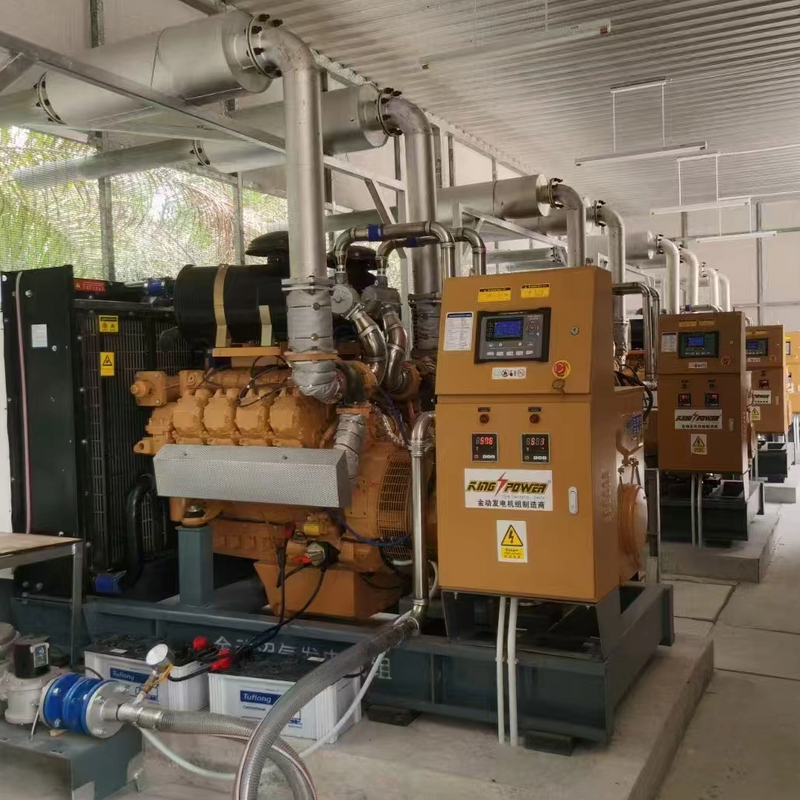
Gas gensets can serve as backup power when renewable energy sources like solar or wind aren’t producing enough electricity. By providing reliable power during low renewable energy availability, gas gensets help stabilize the power grid.
Gas gensets can be integrated into Combined Heat and Power (CHP) systems, which simultaneously produce electricity and heat. The waste heat generated by the genset can be utilized for heating buildings or industrial processes, further improving energy efficiency.
Selecting the right gas genset involves considering several factors, including power requirements, fuel availability, and installation space.
When choosing a gas genset, it’s crucial to select the correct size for your needs. A genset that’s too small may not provide enough power, while one that’s too large can waste energy. Consider the number of appliances and the load you need to support before making a decision.
Installing a gas genset requires proper planning. Ensure that you have access to a reliable natural gas supply and that the installation location has enough space for the genset. Additionally, take noise and emission regulations into account to ensure compliance.
Gas gensets provide a reliable, efficient, and environmentally friendly power solution. They offer significant advantages, including lower emissions and high efficiency. These systems are ideal for industries, commercial buildings, and remote areas. Companies like Ryan Optics Technology Co., Ltd. offer gas gensets that stand out for their durability and cost-effectiveness, delivering valuable energy solutions across various sectors.
A: A gas genset is a generator that uses natural gas or biogas to produce electricity. It consists of an internal combustion engine and an alternator, converting chemical energy into electrical power.
A: A gas genset works by burning fuel (natural gas or biogas) in an engine's combustion chamber. The engine generates mechanical energy, which is converted into electrical energy by the alternator.
A: Gas gensets are cleaner, more efficient, and produce fewer emissions than diesel generators. They also have lower operating costs and require less maintenance.
A: The cost of a gas genset varies based on size, power output, and specific features. Generally, they have lower fuel costs and maintenance requirements compared to diesel gensets.

