
T: 0086 13510078491
Tianraobu Village, Hengli Town, Dongguan City, Guangdong Province, 523472, China.
Views: 0 Author: Site Editor Publish Time: 2026-01-08 Origin: Site


Have you ever wondered how power is generated when the grid fails? A gensetcould be the solution you need. It plays a critical role in ensuring continuous power supply, especially in emergencies.
In this article, we’ll explain what a genset is and how it works. You’ll learn about its key components, how it generates power, and how to choose the right one for your needs.
A genset is a combination of a generator and an engine, designed to provide electrical power. It is essentially a portable or stationary unit that produces electricity by converting mechanical energy from the engine into electrical energy via an alternator. These sets can be fueled by diesel, natural gas, or other energy sources.
Gensets come in several types, each suited for different needs:
● Diesel Gensets: These are the most common, known for their reliability and fuel efficiency. Diesel gensets are often used in industries that require continuous and high-load power.
● Gas Gensets: Fueled by natural gas or propane, these are cleaner alternatives to diesel gensets and are used in areas where environmental concerns are a priority.
● Hybrid Gensets: These combine diesel and renewable energy sources, providing a more sustainable option. They are increasingly used in remote areas or for off-grid power systems.
Type of Genset |
Fuel Type |
Common Applications |
Diesel Genset |
Diesel |
Industrial use, construction sites, backup power |
Gas Genset |
Natural Gas/Propane |
Residential use, cleaner energy alternatives |
Hybrid Genset |
Diesel + Renewable |
Remote areas, off-grid solutions, eco-friendly power |
Gensets are used in a variety of industries and applications:
● Industrial Use: Factories, construction sites, and power plants rely on gensets to ensure continuous power, especially in remote locations.
● Residential Use: In case of a power outage, a genset acts as a backup power source, ensuring essential household functions remain operational.
● Emergency Use: Hospitals, data centers, and other critical infrastructures use gensets as an emergency power supply.
Tip: When choosing a genset, consider the application and load requirements to select the appropriate type and size.
The engine of a genset is the starting point of the entire system. It burns fuel (diesel, natural gas, etc.) to generate mechanical energy. This energy is then used to turn the alternator, which creates electrical power. The engine's power output is crucial for determining the capacity of the genset.
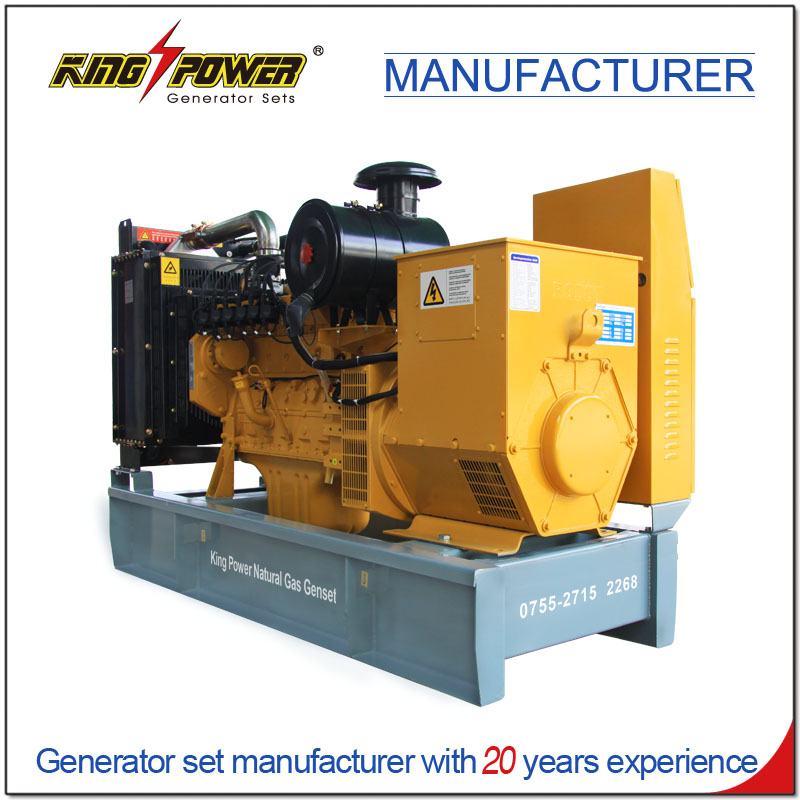
The alternator is responsible for converting the mechanical energy generated by the engine into electrical energy. It works through electromagnetic induction. As the engine turns the alternator’s rotor, it produces alternating current (AC) electricity, which is then sent to the electrical grid or to the end user.
A genset’s fuel system delivers fuel to the engine. The system usually consists of a fuel tank, fuel pump, filters, and injectors. Diesel gensets, for example, utilize a high-pressure fuel system to inject fuel directly into the combustion chamber, where it is ignited to produce energy. Gas gensets, on the other hand, rely on a combustion process that is less prone to particulate emission.
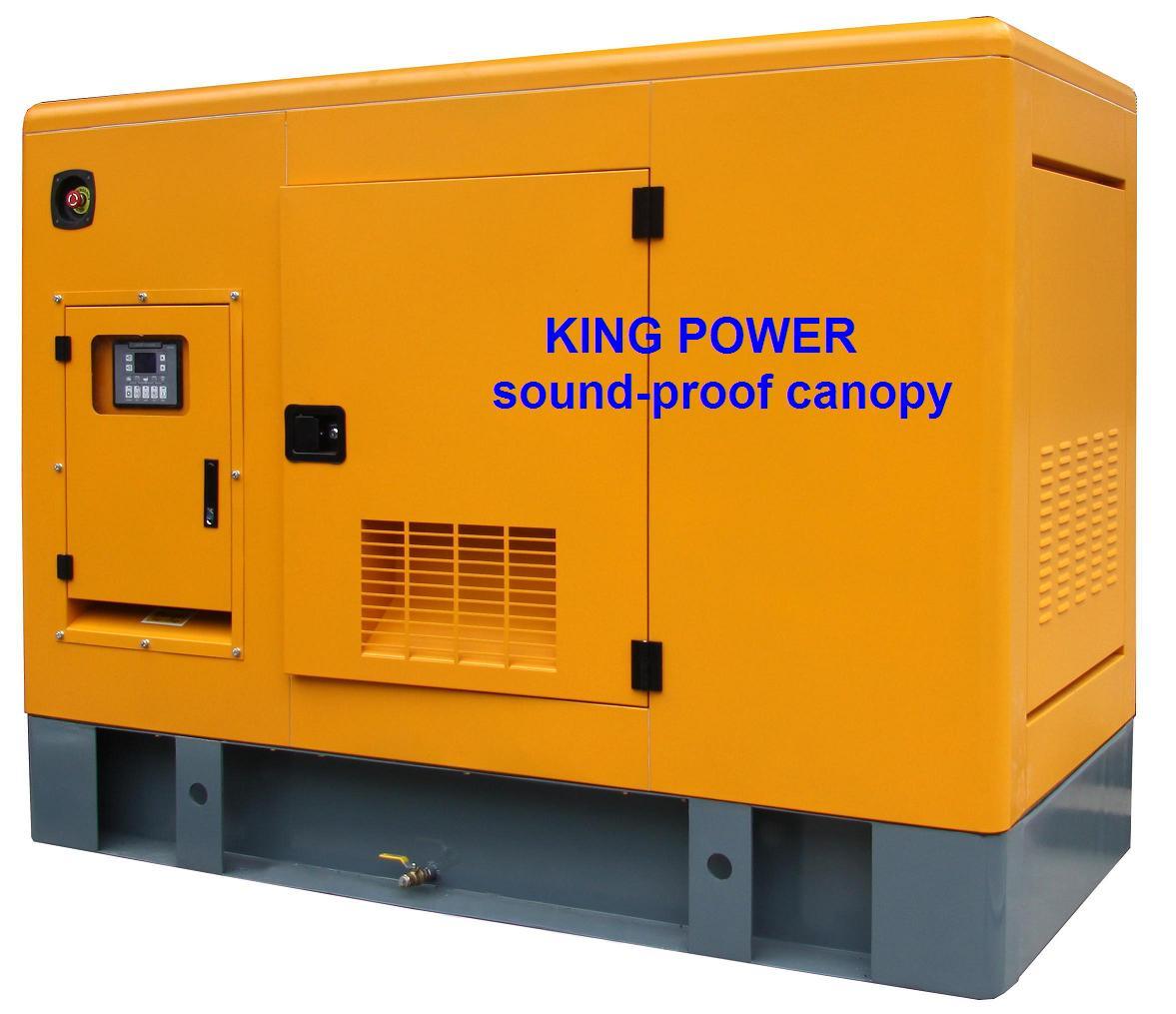
The control panel in a genset allows users to manage and monitor the performance of the system. It displays key metrics such as voltage, load, fuel level, and engine status. Modern gensets come with digital controllers that allow remote monitoring, helping operators ensure efficient performance and troubleshoot issues before they lead to failure.
Tip: Regularly monitor the control panel to avoid performance drops and ensure optimal functionality of the genset.
Maintaining a genset is crucial for extending its life and ensuring it runs smoothly when needed. Routine maintenance should include:
● Changing the oil: Regular oil changes prevent engine wear.
● Replacing fuel filters: Ensures clean fuel delivery, reducing the risk of engine failure.
● Checking coolant levels: Keeps the engine from overheating.
Like any mechanical system, gensets are prone to issues such as:
● Starting failure: Often caused by issues with the battery or fuel system.
● Overheating: Typically results from inadequate coolant levels or dirty radiators.
● Fuel problems: Contaminated fuel can lead to clogged injectors.
For these issues, a thorough inspection and the use of genuine replacement parts are essential.
To ensure that your genset lasts for many years, follow these tips:
● Keep the genset clean and free from dirt.
● Store the genset in a cool, dry place.
● Use the genset regularly to prevent the engine from seizing.
Maintenance Task |
Frequency |
Purpose |
Change Oil |
Every 100-150 hours |
Prevent engine wear and tear |
Replace Fuel Filters |
Every 500-1000 hours |
Ensure clean fuel delivery |
Check Coolant Levels |
Monthly |
Avoid engine overheating |
Inspect Battery |
Every 6 months |
Ensure reliable starting and operation |
The efficiency of a genset depends on several factors:
● Load capacity: Gensets perform best when running at 70%-80% of their rated capacity.
● Fuel type: Diesel is generally more fuel-efficient than gas.
● Maintenance: A well-maintained genset operates more efficiently.
Fuel efficiency varies between different types of gensets:
● Diesel gensets generally offer higher fuel efficiency, especially for long-term or high-load operations.
● Gas gensets, while cleaner, may have slightly higher operational costs due to fuel prices and efficiency.
For large-scale operations, selecting the most fuel-efficient genset can significantly reduce long-term operating costs.
One of the primary concerns with gensets, especially diesel-powered ones, is their environmental impact. Diesel gensets emit pollutants such as carbon dioxide (CO2), nitrogen oxides (NOx), and particulate matter. However, technological advances, such as the use of cleaner fuels and exhaust treatment systems, have significantly reduced emissions.
There are now more eco-friendly alternatives to traditional gensets:
● Hybrid gensets combine renewable energy sources with diesel power, reducing overall emissions.
● Gas gensets produce fewer harmful emissions compared to their diesel counterparts.
Tip: Consider hybrid or gas-powered gensets if environmental concerns are a priority for your business or facility.
When choosing a genset, consider the following factors:
● Power requirements: How much power do you need?
● Fuel availability: Do you have access to diesel, gas, or other fuels?
● Budget: What is your budget for initial investment and long-term maintenance?
Choosing the right size and type will ensure that your genset meets your needs without over- or under-providing power.
To properly size a genset, calculate the total wattage required by all devices you plan to power. This includes both the running wattage and the starting wattage of each device. It’s essential to consider not just the maximum load but also startup power demands, as many devices require more power to start than to run. For example, motors or compressors often have a higher initial power requirement. Adding a buffer to the total wattage can help avoid overloading the genset. Properly sizing the genset ensures that it can handle peak power loads without stress, maintaining efficiency and reliability in the long run.
A genset is a combination of an engine and alternator that generates electricity. It works by converting mechanical energy from the engine into electrical power. There are different types of gensets such as diesel, gas, and hybrid, each suited for specific applications. Regular maintenance, proper sizing, and fuel efficiency are key factors in ensuring reliable operation. For businesses looking to maximize power solutions, KING GENSET COMPANY LIMITED offers high-quality genset products that provide excellent performance and reliability in demanding environments.
A: A genset is a combination of an engine and an alternator that generates electricity by converting mechanical energy into electrical power.
A: A genset works by using a fuel-powered engine to drive an alternator, which converts mechanical energy into electrical energy.
A: A genset ensures a reliable power supply during outages or in remote locations, making it essential for both industrial and emergency use.
A: Gensets provide continuous power, are versatile for various applications, and can be fuel-efficient with proper maintenance.
A: The cost of a genset depends on its size, fuel type, and power output, typically ranging from a few hundred to thousands of dollars.
A: Common genset issues include fuel delivery problems, overheating, and starting failures, often due to maintenance neglect.
A: To troubleshoot a genset, check the fuel system, inspect the engine for blockages, and ensure the cooling system is working efficiently.

