
T: 0086 13510078491
Tianraobu Village, Hengli Town, Dongguan City, Guangdong Province, 523472, China.
Views: 0 Author: Site Editor Publish Time: 2026-08-17 Origin: Site


Commercial industries are rapidly shifting away from traditional diesel dependencies. They increasingly favor methanol for sustainable, continuous power generation across diverse applications. However, transitioning to this alternative fuel introduces complex procurement challenges. You must evaluate unfamiliar materials, compare distinct system architectures like fuel cells versus internal combustion, and navigate rigorous safety compliance standards. Without a solid technical foundation, you risk selecting incompatible hardware.
Successful deployment relies heavily on scrutinizing technical limits, material durability, and supplier reliability, rather than simply accepting high-level sustainability claims. In this guide, we will explore exactly which hardware configurations and safety materials demand your attention. You will learn how to benchmark critical specifications to ensure a robust and compliant power setup. Making informed decisions upfront prevents severe integration failures later. We provide the specific material benchmarks you need to evaluate these systems effectively.
Direct Methanol Fuel Cells (DMFCs) process methanol directly at the anode. They require highly specialized catalyst materials to function efficiently. Platinum-ruthenium combinations represent the industry standard. These precious metals prevent carbon monoxide poisoning on the electrode surface. Membrane durability serves as another critical performance factor. Engineers must utilize robust polymer electrolyte membranes (PEM) to resist methanol crossover. Crossover occurs when unreacted fuel slips through the membrane, which drastically degrades overall electrical efficiency.
Reformed Methanol Fuel Cells (RMFCs) operate on a different chemical pathway. They reform liquid methanol into hydrogen gas before generating electricity. This intermediate step requires a dedicated reforming unit. The reformer experiences intense heat and continuous chemical conversion. Manufacturers build these units using advanced refractory alloys and thermal ceramics. These robust materials handle extreme internal temperatures safely without warping or degrading over time.
Combustion engines face unique chemical challenges when running on this fuel. Methanol is highly corrosive and behaves as a "dry" fluid. It provides almost zero lubricity compared to standard diesel. Consequently, standard engine materials will fail rapidly. Manufacturers must specify stringent anti-corrosive materials throughout the entire block.
Engine cylinders and internal blocks often feature specialized 316L stainless steel or hardened alloys. Injector nozzles require diamond-like carbon (DLC) coatings to withstand the lack of lubrication. Furthermore, conventional rubber seals will dissolve upon contact. Gaskets and O-rings require specific fluoroelastomers, such as Polytetrafluoroethylene (PTFE) or Viton. Fuel lines demand Teflon-lined or high-grade stainless steel construction to prevent methanol-induced degradation.
You must map the chosen technology directly to your lifespan requirements and deployment constraints. When selecting a methanol generator set, carefully match the hardware to your operational realities. DMFCs offer exceptionally quiet operation but demand precise fuel handling. RMFCs manage larger sustained power loads but introduce complex thermal management requirements. ICE systems provide rugged reliability for harsh physical environments where specialized fuel cell membranes might struggle. Choose the architecture that aligns with your specific operational environment.
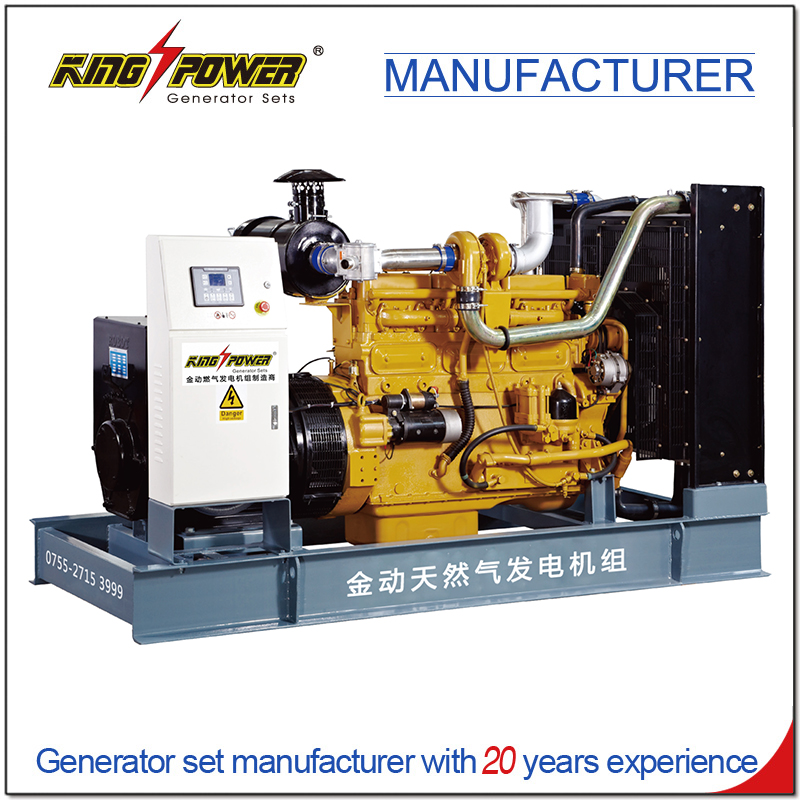
System output goes far beyond simple electrical wattage. You need to rigorously evaluate electrical efficiency versus combined heat and power (CHP) thermal efficiency. RMFC and ICE systems operate at higher temperatures, producing substantial exhaust heat. You can capture this thermal byproduct using heat exchangers for facility heating or absorption chillers. This integration maximizes overall resource utilization and significantly boosts the system's operational efficiency.
Fuel requirements dictate long-term operational feasibility. Some sensitive fuel cell systems require highly refined, lab-grade methanol (such as IMPCA reference quality). Other robust systems can operate efficiently on standard industrial or marine-grade methanol. Matching the hardware to locally available fuel grades prevents unexpected operational roadblocks. You must carefully review these methanol generator set specifications during your initial technical audit to avoid logistical bottlenecks later.
Sustainability claims require hard, verifiable data. You must contrast stated NOx, SOx, and particulate matter outputs against current regulatory frameworks, such as EPA Tier 4 Final regulations. Localized environmental standards often impose even stricter limits in urban zones. While fuel cells typically emit zero criteria pollutants, methanol ICE systems inherently produce some emissions. They often require integrated catalytic converters to meet stringent environmental targets.
Always examine the stated lifecycle of core components. For fuel cells, check the stack degradation rate measured over thousands of operational hours. For ICE units, verify the specific maintenance intervals for injectors, spark plugs, and seals. You should consistently challenge unverifiable "zero-maintenance" claims. Every physical system experiences wear. A reliable specification sheet will clearly define the expected degradation curve.
The following comparison illustrates typical material and specification differences across the primary architectures to guide your evaluation process:
| Architecture Type | Primary Wear Material | Fuel Purity Requirement | Typical Thermal Byproduct |
|---|---|---|---|
| Direct Methanol (DMFC) | Platinum-Ruthenium Catalysts | High (Lab-grade) | Low |
| Reformed Methanol (RMFC) | Refractory Reforming Alloys | Moderate | High (Usable CHP) |
| Methanol ICE | Fluoroelastomer Seals & DLC Coatings | Industrial / Marine | High |
Spatial footprints are often strictly limited in modern facilities. You must compare enclosure materials and volumetric power density. Compact, modular designs allow you to scale output incrementally without overhauling the site. Lightweight, anodized aluminum enclosures reduce the overall physical footprint. They also simplify rooftop installations or deployments in remote, hard-to-access locations.
Safety materials cannot be treated as an afterthought. Integrating a distributed power methanol generator set demands strict containment protocols aligned with ATEX or NFPA standards. Mandatory physical requirements include double-walled fuel lines with interstitial monitoring. Standard storage tanks require specialized epoxy linings to prevent chemical leaching.
Because methanol burns with a nearly invisible flame, you must specify specialized infrared (IR) flame detectors. Standard smoke alarms prove insufficient. You also need intrinsically safe, spark-proof ventilation systems to prevent vapor ignition in confined spaces. Automated shutdown mechanisms must integrate directly with these sensors to instantly isolate fuel flow upon detecting abnormal conditions.
Assess exterior casing materials for varying climates. Deploying near the ocean? Require marine-grade polyurethane coatings to prevent rapid salt corrosion. Operating in freezing environments? Demand industrial thermal insulation and integrated block heaters. The right exterior materials protect sensitive internal chemical processes and electronic controllers from extreme weather degradation.
Standard off-the-shelf units do not always interface smoothly with complex grid topologies. You might need specific criteria for linking the generator with existing infrastructure. This includes microgrids, solar photovoltaic arrays, wind turbines, or battery energy storage systems (BESS). Custom controllers and specialized bidirectional inverters synchronize alternating current safely. They allow the generator to seamlessly take over as the prime mover when renewable inputs drop.
Unique deployment sites demand tailored engineering. Telecommunication towers often require specific scaling for direct current (DC) voltage outputs to match battery banks directly. Urban environments frequently mandate strict noise limits at the property line. You must select specific acoustic dampening materials—such as mass-loaded vinyl or advanced acoustic louvers—to meet local ordinances. A custom methanol generator set allows you to modify the physical form factor and vibration isolators for tight architectural spaces.
Custom builds naturally introduce distinct logistical challenges. Acknowledge the significantly longer lead times required for bespoke engineering and specialized material procurement. We advise conducting a strict efficiency-benefit analysis. Compare the projected performance and integration harmony of a custom unit against high-end standard options. Ensure the customized elements genuinely resolve your site-specific hurdles rather than merely adding unnecessary complexity.
Move beyond glossy marketing brochures and high-level claims. Audit the vendor's actual track record in commercial deployments. Ask for detailed case studies highlighting long-term runtime hours and Mean Time Between Failures (MTBF). A proven methanol generator set supplier will readily share empirical data demonstrating how their materials hold up in harsh field conditions.
Downtime cripples operational efficiency. Assess the immediate availability of critical replacement parts. Can the supplier quickly ship replacement PEM membranes or specialized catalysts? Do they stock proprietary ICE components like anti-corrosive fuel injectors regionally? A localized warehousing and distribution network indicates a robust, mature supply chain.
Require transparent documentation before finalizing any agreements. Your shortlisted candidates must provide independent validation of their claims. Look for verified CE, ISO, and EPA certifications. These documents prove the hardware actively meets rigorous international safety, quality, and environmental benchmarks. Factory Acceptance Testing (FAT) documentation should also be readily available.
Compare after-sales support structures thoroughly. Carefully review preventive maintenance contracts and response-time guarantees. Pay close attention to warranty exclusions related to fuel quality. Some vendors will void warranties immediately if you use slightly degraded fuel. Favorable SLAs establish clear boundaries and protect your long-term operational stability.
Evaluating methanol power technology requires strict attention to material science and system architecture. You must align the specific technology type—whether fuel cell or internal combustion—with your site constraints. Rigorously benchmark technical specifications to ensure they meet your performance goals. Prioritize specialized safety and containment materials to protect your infrastructure and personnel.
Remember that inferior initial material selection often masks higher long-term maintenance burdens. High-purity fuel requirements can complicate logistics if you only have access to industrial-grade methanol. Make choices based on proven durability, strict regulatory compliance, and localized fuel availability.
Your logical next step involves active, rigorous vendor engagement. To proceed effectively, follow these actionable steps:
A: Methanol systems require entirely different maintenance routines. Fuel cells eliminate oil and filter changes but require periodic membrane and catalyst replacements. Methanol internal combustion engines demand frequent inspection of specialized seals and anti-corrosive fuel lines. Overall lifecycle maintenance hinges heavily on maintaining strict fuel purity to prevent premature component degradation.
A: Retrofitting is highly impractical. Standard diesel blocks lack the necessary anti-corrosive alloys. You would need to entirely replace fuel injectors, lines, and seals with specialized fluoroelastomers and stainless steel. The extensive engineering required generally makes retrofitting inefficient compared to installing purpose-built methanol units.
A: Using lower-grade fuel in a high-purity system causes rapid degradation. Impurities will permanently poison fuel cell catalysts, drastically dropping electrical output. It can also clog micro-filters and damage specialized reforming units. You must always match system specifications precisely to your local fuel availability.
A: Procurement timelines vary significantly based on complexity. Standard off-the-shelf modular units typically require three to six months for delivery and integration. Custom deployments featuring specialized acoustic dampening or complex microgrid controllers can extend lead times beyond nine months. Always verify manufacturing timelines during initial vendor vetting.

