
T: 0086 13510078491
Tianraobu Village, Hengli Town, Dongguan City, Guangdong Province, 523472, China.
Views: 0 Author: Site Editor Publish Time: 2026-01-16 Origin: Site


What if you could reduce fuel costs and environmental impact while keeping your generator running smoothly?
LPG Generator Sets are an increasingly popular choice for both residential and industrial power needs. In this article, we'll explore what LPG means for generator sets and why it's gaining traction as a fuel source.
You'll learn how LPG works in a generator, its benefits, and key factors to consider when choosing one for your needs.
LPG, or Liquefied Petroleum Gas, is a hydrocarbon-based fuel primarily made up of propane and butane. It is stored in liquid form under pressure, making it easy to transport and store. LPG is widely used for heating, cooking, and as a fuel for vehicles and generator sets.
In a generator set, LPG serves as a clean, efficient, and reliable fuel source. It burns cleaner than traditional fuels like diesel and gasoline, reducing harmful emissions. This makes it an environmentally friendly choice, especially in areas where air quality is a concern.
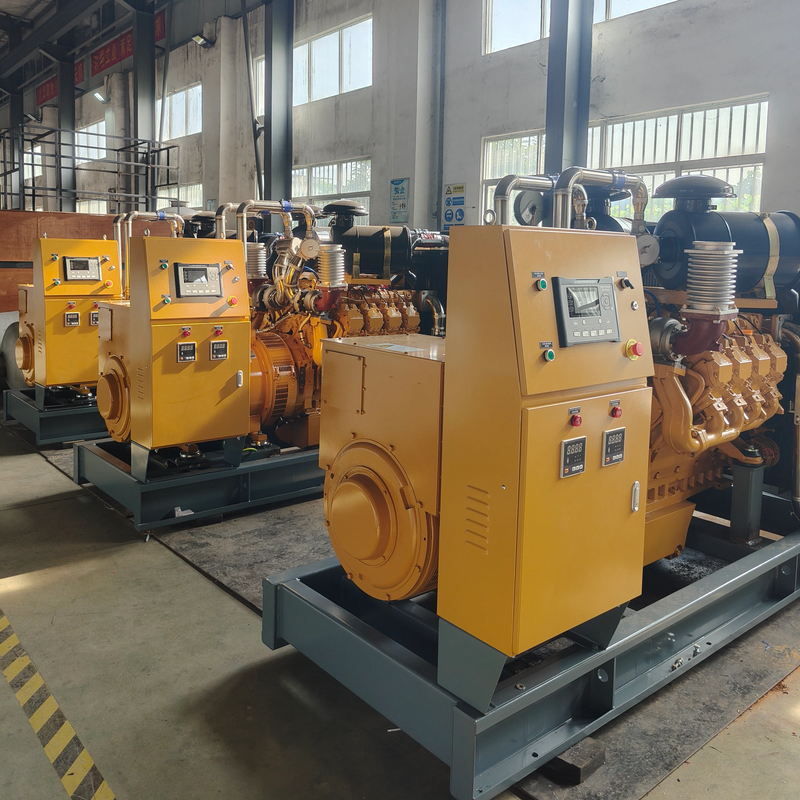
LPG is used in generator sets to power the engine that produces electricity. The fuel is combusted within the engine’s cylinders, driving pistons that generate mechanical energy. This energy is then converted into electrical energy via an alternator.
LPG-powered generators offer several advantages over their diesel or gasoline counterparts, such as lower emissions, quieter operation, and the potential for better fuel efficiency.
● Environmental Impact: LPG produces fewer emissions than diesel and gasoline, making it a cleaner fuel choice.
● Cost-Effective: In many regions, LPG is less expensive than diesel or gasoline, leading to cost savings over time.
● Renewable Option: LPG can be sourced from renewable processes, further enhancing its eco-friendly profile.
● Storage Flexibility: It can be stored in pressurized tanks, making it easy to manage and transport, unlike gasoline which requires specific storage precautions.
Tip: LPG generators are a great option for businesses looking to reduce their environmental footprint while maintaining operational efficiency.
An LPG generator set functions similarly to other types of fuel-powered generators. However, the engine in an LPG-powered generator is designed to run on propane or butane, which requires specific adjustments in the fuel system and ignition process. The combustion process in an LPG engine produces energy by igniting the gas in a controlled manner within the engine’s cylinders.
Unlike diesel generators, which rely on compression to ignite the fuel, LPG generators require spark plugs to initiate combustion. This difference in ignition methods makes LPG-powered engines slightly less efficient than diesel engines, but the cleaner burning nature of LPG compensates for this efficiency difference.
LPG is stored in liquid form in pressurized tanks. These tanks are equipped with regulators to control the flow of gas into the generator. The supply system is designed to ensure a steady flow of fuel to the engine, preventing interruptions in power generation.
Because LPG is stored in liquid form, it is more compact and can provide longer runtime in smaller storage tanks compared to other fuels. However, businesses must ensure that they have a reliable source of LPG to avoid disruptions.
Component | Description | Purpose |
LPG Storage Tank | A pressurized tank that holds LPG in liquid form | Stores LPG safely for use in the generator |
Regulator | Controls the pressure of the gas flowing into the engine | Ensures a steady, controlled flow of LPG |
Fuel Lines | Tubes or pipes that transport LPG from the tank to the engine | Delivers LPG to the engine for combustion |
Ventilation System | Ensures proper airflow and prevents the buildup of excess gas | Maintains safety during operation |
LPG generators are known for their quiet operation, low maintenance needs, and high efficiency. While their energy density is lower than diesel, the clean-burning nature of LPG can lead to fewer engine wear issues, potentially extending the lifespan of the generator.
Tip: When choosing an LPG generator, ensure that the fuel consumption rate aligns with your usage requirements for optimal efficiency.
Benefit | Description |
Environmentally Friendly | LPG produces fewer emissions compared to diesel, making it cleaner for the environment. |
Lower Fuel Costs | LPG is often cheaper than diesel or gasoline in many regions, offering cost savings. |
Quieter Operation | LPG generators typically run quieter than diesel generators, reducing noise pollution. |
Reduced Maintenance | LPG burns cleaner, meaning there is less wear and tear on engine components, leading to lower maintenance costs. |
● Lower Energy Density: LPG has a lower energy density than diesel, meaning that LPG generators may require larger fuel tanks to run for the same duration.
● Availability: In certain areas, LPG may not be as readily available as other fuels, making it less convenient for some users.
● Fuel Cost Variability: While LPG is generally cheaper than diesel, prices can fluctuate based on regional factors and supply chain issues.
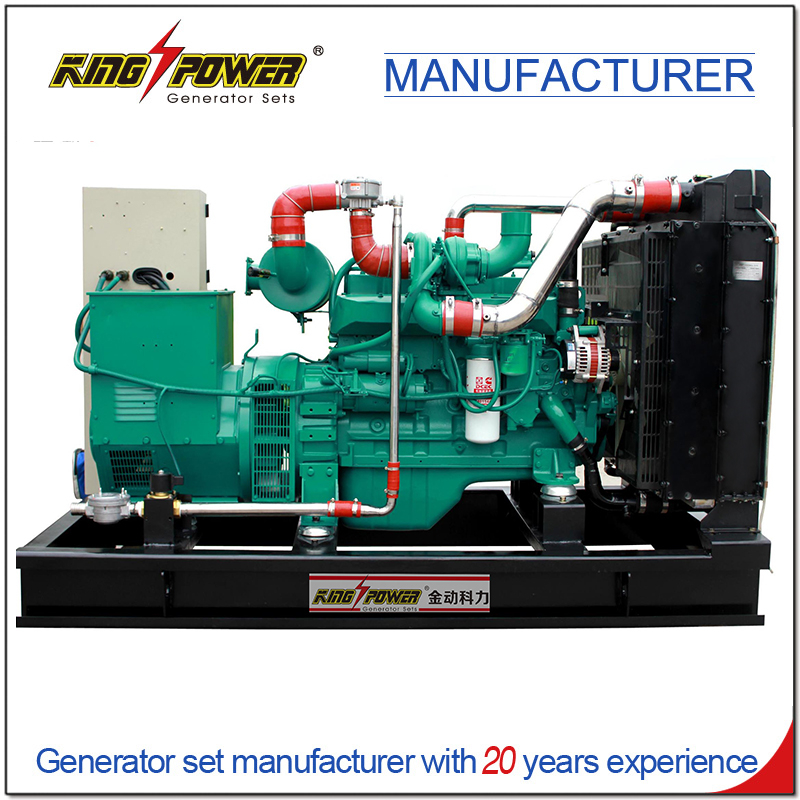
LPG generators are ideal for a variety of applications, particularly where noise and emissions are a concern. Here are some common use cases:
● Outdoor Events: LPG generators are quieter and produce fewer emissions, making them suitable for outdoor activities like concerts, festivals, and sports events.
● Backup Power: For homes and businesses looking for emergency power, LPG generators provide a reliable and cleaner alternative to diesel-powered backup units.
● Industrial Uses: In areas where air quality is regulated, LPG generators are used in industries that need reliable power without contributing to pollution.
When selecting an LPG generator, it’s important to consider the power requirements, fuel efficiency, and potential maintenance needs. The generator's power output should meet your peak demand, while the fuel consumption should be optimized for your usage patterns.
It’s also worth considering the tank size, as larger tanks will provide longer runtimes but may require more space.
LPG generators require less maintenance compared to diesel generators. Regular tasks include checking the fuel system, ensuring proper ventilation, and inspecting the spark plugs. Routine maintenance will help ensure the generator operates efficiently for years to come.
● Fuel Leaks: Over time, the fuel lines or connections may develop leaks, which can reduce efficiency or cause safety concerns.
● Ignition Problems: If the spark plugs are not functioning correctly, the generator may fail to start or run smoothly.
● Clogged Filters: While LPG is cleaner than gasoline or diesel, it still requires regular filter changes to ensure proper airflow and combustion.
Proper care and maintenance are crucial for extending the lifespan of an LPG generator. Regular oil changes, cleaning air filters, and checking the fuel system will keep the engine running smoothly. Additionally, using the generator within its rated capacity helps prevent undue stress on the engine.
LPG Generator Sets are becoming a preferred fuel source for many due to their efficiency and eco-friendliness. LPG offers a cleaner, more cost-effective alternative to diesel and gasoline, providing benefits like reduced emissions and lower maintenance costs. When choosing a generator, understanding how LPG works and its advantages is crucial.
King Genset Company Limited offers high-quality generator sets that utilize LPG for reliable and efficient power. Their products are designed to deliver exceptional performance while minimizing environmental impact, making them a great choice for both residential and industrial applications.
A: An LPG Generator Set is a type of generator powered by Liquefied Petroleum Gas (LPG). It uses LPG as a fuel source to generate electricity, offering a cleaner and more eco-friendly alternative to traditional diesel or gasoline-powered generators.
A: LPG Generator Sets work by burning LPG in an engine’s combustion chamber. The energy generated from this combustion powers an alternator, which converts mechanical energy into electrical power, providing a reliable power source for various applications.
A: An LPG Generator Set is more environmentally friendly, producing fewer emissions than diesel-powered generators. It also tends to be quieter, requires less maintenance, and can be more cost-effective in some areas.
A: LPG Generator Sets can be more affordable in terms of fuel cost, as LPG is often cheaper than diesel. However, the initial purchase price might be higher depending on the generator model. Over time, the lower maintenance and fuel costs make LPG generators a more economical choice.
A: LPG Generator Sets typically require less maintenance than diesel generators. Regular tasks include checking the fuel system, spark plugs, and air filters to ensure optimal performance and longevity.

