
T: 0086 13510078491
Tianraobu Village, Hengli Town, Dongguan City, Guangdong Province, 523472, China.
Views: 0 Author: Site Editor Publish Time: 2025-11-30 Origin: Site


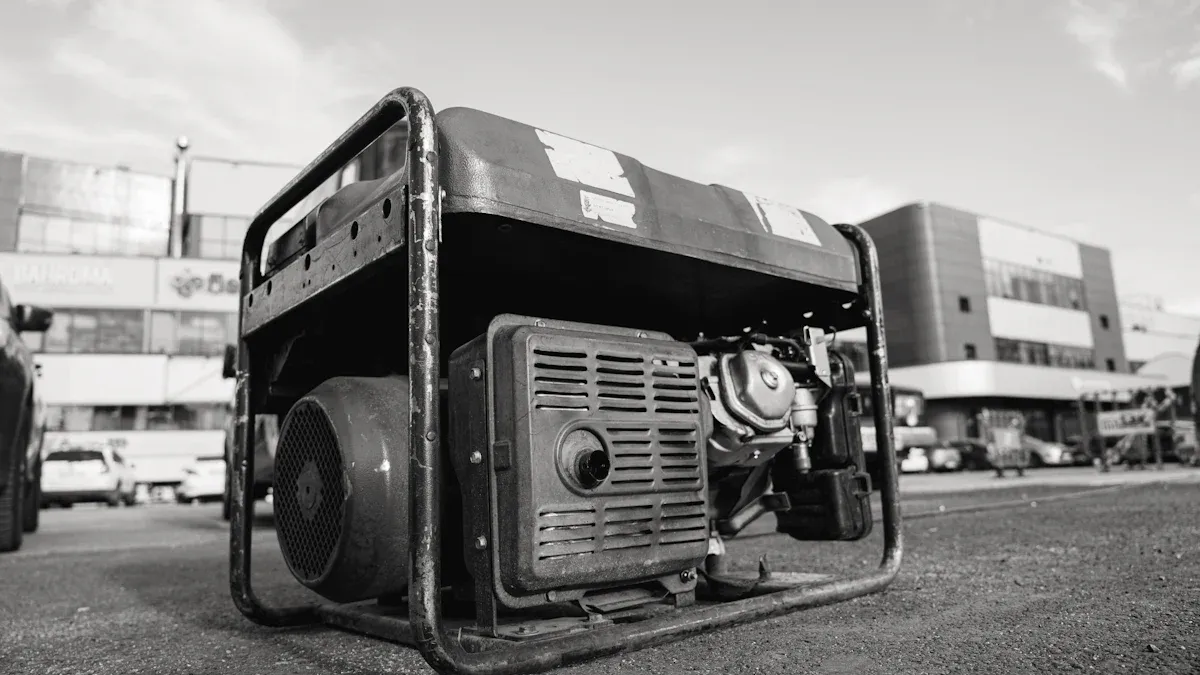
You need to know that adding fuel to a running generator is not safe. If you put fuel in a hot generator, you could start a fire. There is also a chance of an explosion or getting burned. These risks are there with every kind of fuel, even diesel. Big generator companies always tell you to turn off your generator first. You should let it cool down before you add more fuel. You must always think about safety. Here is what experts say to do:
Safety Tip | Description |
|---|---|
No Refueling While Running | Never put fuel in a generator when it is running. |
Turn Off | Turn off generators and let them cool before you add fuel. |
Proper Storage | Keep fuel outside your home in marked containers. |
Cool Down | Let the generator cool for at least 2 minutes. |
You keep yourself and others safe when you follow these rules. Always ask yourself if it is safe to add fuel right now. Make sure your generator is off and cool before you put in fuel. Remember, it is never safe to add fuel to a running generator.
Do not put fuel in a generator that is running. Turn off the generator before adding fuel. This helps stop fires and explosions.
Wait at least 10 minutes for the generator to cool down. This helps lower the chance of burns and fire.
Use a funnel when you pour fuel. This helps stop spills. Spilled fuel can catch fire and cause bad accidents.
Keep fuel in safe containers outside your house. This keeps fuel away from heat and lowers fire danger.
Read your generators' manual for safety rules. Following the instructions helps keep you safe.
You should not put fuel in a running generator. Doing this is very dangerous for you and others. Manufacturers say not to add fuel when the generator is on. They tell you to turn it off and let it cool first. These safety rules are for every generator, even ones at home. You need to follow these rules to stop accidents from happening.
If you add fuel to a hot generator, a fire or explosion can happen. Gasoline and diesel can catch fire easily. When you pour fuel in, fumes can get into the air. These fumes are hard to see, but they can burn if they touch hot parts, sparks, or static. Even a little spill can be a big danger.
Gasoline can burn if it touches a hot exhaust pipe.
Fuel vapor can catch fire from hot parts or sparks.
The engine and exhaust can start a fire if vapor is close.
Spilled fuel can mix with air and explode if there is a spark.
Both gasoline and diesel can cause a fire, even from a small spark.
Refueling a running generator can cause fire or explosion. Always wait until your generator is off and cool before you add fuel.
Putting fuel in a running generator can burn you or hurt you. Hot engine parts can burn your skin if you spill fuel on them. Fumes from fuel can build up in small spaces and make fire start easier. If fuel touches your skin, it can cause chemical burns.
Type of Risk | Description |
|---|---|
Fire Hazard | Spilling fuel on hot engine parts can start a fire. |
Fuel Vapors | Flammable vapors in small spaces can catch fire. |
Burn Injuries | Hot engine parts or fuel spills can burn your skin. |
You should be careful with your home generator. Always think about safety when you use fuel. Never put fuel in a running generator. Wait for it to cool, and keep fuel away from hot parts. This keeps you safe from burns, fumes, and other injuries.
Tip: Always read your generator’s manual for safety rules. Manufacturers give warnings to help you stay safe from fire, injury, and other dangers.
Refueling a generator while it is running is risky. The generator gets hot and makes fuel turn into vapors. These vapors mix with air and spread fast. You cannot see them, but they can catch fire easily. Here are some reasons why fuel vapors are dangerous near hot generator surfaces:
Gasoline has a low flash point. It makes vapors that can burn even when it is not very hot.
Diesel has a higher flash point. It can still catch fire if it turns into tiny drops near hot parts.
Leaks under pressure can make a mist of diesel. This mist can burn even though diesel needs more heat.
If you spill fuel or make vapors near a hot generator, you could start a fire. A small spark or a hot exhaust pipe can cause flames. Always let your generator cool down before you add fuel.
Note: Never refuel a generator inside or in a closed area. Vapors can build up and make fires more likely.
Many people have had accidents from refueling a running generator. These stories teach us about safety. Some accidents happen because the generator was not set up right. Others show why you need good safety steps for refueling and power use.
You should learn from these mistakes. Training helps you know how to watch your generator and use fuel safely. Do not just trust your memory or guess what to do. Always follow safety rules and use the right steps when you refuel.
Setting up your generator the right way stops blackouts and keeps you safe.
Safety systems give you clear steps to stop accidents.
Training shows you how to use fuel and check your generator.
If you follow these lessons, you lower the chance of fire, injury, and accidents. You keep yourself and others safe every time you use your generator the right way.
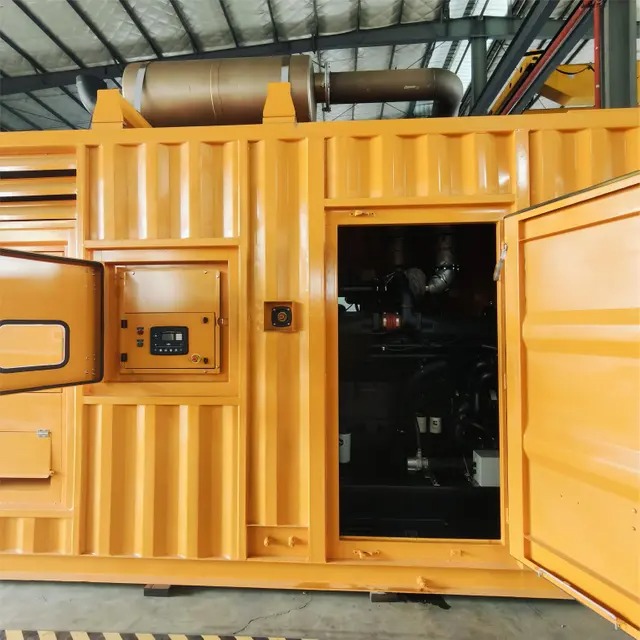
You must always turn off your generator before you add fuel. This step protects you from fire and burns. First, switch off the main breaker. Let the generator run for about 20 to 30 minutes so it can cool down. After that, press the red 'OFF' button on the control board. Wait another 5 minutes to make sure the engine is not hot. This cooling period helps heat leave the engine and other parts. You lower the risk of fire or explosion when you let your generator cool for at least 10 to 15 minutes. Hot engines can make fuel turn into vapors, which can catch fire quickly.
Tip: Never rush this step. Waiting a few extra minutes can keep you safe.
You need to follow best practices for refueling to avoid accidents. Always refuel your generator outside or in a space with good airflow. This keeps dangerous vapors from building up. Use the right type of fuel for your generator. Check your manual if you are not sure. Do not overfill the tank. Leave some space for the fuel to expand. Use a funnel to pour fuel and avoid spills. Make sure no one smokes or uses open flames near the generator during refueling. Keep a safe distance from anything that can cause a spark.
Here is a simple checklist for safe refueling:
Turn off the generator and let it cool.
Move to a well-ventilated area.
Use the correct fuel.
Pour slowly with a funnel.
Do not overfill the tank.
Spills can happen, but you can manage them with the right steps. If you spill fuel, clean it up right away. Use a rag or a spill kit to soak up the liquid. Do not start the generator until all fuel is gone and the area is dry. Check the ground and the generator for any leftover fuel. Dispose of used rags or spill materials safely. Regular checks help you spot leaks or damage early. This keeps your generator in good shape and protects the environment.
Note: Always keep a spill kit near your generator. Quick action stops small spills from becoming big problems.
Put your generator outside in a safe place. Keep it far from windows, doors, and vents. This stops dangerous gases from getting inside your home. Carbon monoxide is a gas you cannot see or smell. It can make you very sick or even kill you. Make sure nothing blocks the area around your generator. Boxes and furniture should not be close. Good airflow helps your generator work well and lowers fire danger. Put vents high and low to let air move. Never put your generator near things that can burn. Keep it dry so you do not get shocked.
Put your generator at least 20 feet from your house.
Keep the space open for good airflow.
Use vents high and low for better air movement.
Do not put your generator near things that burn.
Keep your generator safe from rain and water.
Tip: The CDC says many people die each year from carbon monoxide poisoning because generators are not placed right. Always follow these safety steps.
Doing regular checks keeps your generator safe. Look at the fuel system for leaks or things blocking it. Change fuel filters to keep dirt out. Follow the schedule from the manufacturer. Write down every time you do maintenance. Test parts often to make sure they work. Run your generator for 10 minutes every month. Check battery voltage every three months. Get a full service once a year. Before you do any work, look at the generator inside and outside. Check how much fuel you have and if it is good. Change filters when needed. Check batteries and wires every three months.
Maintenance Type | Frequency | Importance |
|---|---|---|
Fuel Sampling (Diesel) | At Least Annually with Major | Makes sure fuel is clean and stops generator problems. |
If you skip maintenance, bad things can happen. Carbon monoxide can build up if the exhaust gets blocked. Electrical problems can start fires. Always check your generator often to keep it safe.
Storing fuel the right way keeps your generator safe. Put fuel in a cool, dry spot away from heat. Never keep fuel tanks inside your house. Use special containers made for fuel. Leave some space in the container for fuel to grow when it gets warm. Mark each container with the type of fuel and the date. Check containers often for leaks or damage. Get rid of any container that is rusty or worn out. Pick a spot with good airflow like a shed or garage. Keep fuel out of sunlight. Use the right color container for each kind of fuel. You can use a fuel stabilizer to help fuel last longer.
Check fuel containers often to find leaks or damage early. Replace bad containers right away so you do not have accidents.
You need to look at your generator’s manual before you add fuel. Manufacturers give strong warnings about adding fuel when the generator is on. These warnings help stop bad accidents from happening. Most manuals say you should never put fuel in a running generator. The engine gets very hot when it is working. If you spill gasoline or if vapors touch hot parts, a fire can start. Gasoline vapors can catch fire fast, especially near a hot engine.
Here are some warnings you might see in generator manuals:
Adding fuel to a running generator is very risky because of fire and explosion.
The engine gets hot and can make spilled gasoline catch fire.
Gasoline vapors can burn easily, especially near a hot engine.
The fuel tank, engine, and exhaust get very hot and can cause a fire.
Manufacturers also warn about diesel and propane generators. Each fuel type has its own dangers. The table below shows how the warnings are different:
Fuel Type | Fire Hazard | Fuel Stability | Storage Requirements |
|---|---|---|---|
Gasoline | Highly flammable, significant fire risk. | Shorter shelf life, can degrade over time. | Store away from ignition sources, use approved containers. |
Diesel | Less volatile, but still poses a fire hazard if mishandled. | More stable than gasoline. | Regularly inspect for leaks, proper ventilation needed. |
Propane | Highly flammable, requires careful handling. | Stored under pressure, needs proper storage. | Store upright, in well-ventilated areas, away from ignition sources. |
You need to follow these warnings for every kind of generator. Never add fuel while the engine is running. Always let the generator cool down first. This easy step keeps you safe from burns, fires, and explosions. Manufacturers want you to be safe. Their warnings are there to help you.
Tip: Always check your generator’s manual before you add fuel. Read the safety rules and follow them every time.
You must not put fuel in a running generator. Doing this can start fires or cause burns. It can even make an explosion happen. Always turn off your generator before you add fuel. Let it cool down first so it is safe. Use a funnel to pour fuel and do not spill. Store fuel in the right containers. Make sure the area has lots of fresh air. These steps help stop accidents from happening. Look at your generator’s manual for what to do. When you follow these rules, you keep yourself and others safe.
️ Putting safety first means cleaner air, less sickness, and a safer place for all.
Wait for the generator to cool down. Hot parts can make fuel vapors catch fire. Always let it cool for at least 10 minutes before you add fuel.
Clean up any spilled fuel right away. Use a rag or a spill kit to soak it up. Make sure everything is dry before you turn the generator back on. Spilled fuel can start a fire.
Never refuel your generator inside. Fuel vapors can build up and cause fires or explosions. Always add fuel outside where air can move around.
Tip | Details |
|---|---|
Use proper containers | Put fuel in approved, labeled containers. |
Keep away from heat | Store containers in a cool, dry place. |
Check for leaks | Look at containers often for damage. |
Look in your generator’s manual to find the right fuel. Using the wrong fuel can hurt the engine. Most portable generators use gasoline or diesel.

