
T: 0086 13510078491
Tianraobu Village, Hengli Town, Dongguan City, Guangdong Province, 523472, China.
Views: 0 Author: Site Editor Publish Time: 2026-09-22 Origin: Site


Standard off-the-shelf heat recovery modules often work well. They handle predictable, continuous-load cogeneration setups adequately. However, real-world applications rarely offer ideal operating conditions. Complex thermal loads, spatial constraints, or strict emissions regulations complicate project designs. These factors frequently render standard modules inefficient or mechanically risky. We often see operators struggle. They try forcing catalog units into highly demanding or unorthodox environments. Custom engineering is never a luxury upgrade in these scenarios. It represents a strict mechanical necessity. You need specific designs for non-standard exhaust profiles and specialized site requirements. You must deploy equipment built for your exact operational reality. In this guide, you will learn exactly when to reject catalog options. We will explore core triggers for custom builds. We will detail system derating risks. Finally, you will learn how to evaluate suppliers and draft proper technical specifications.
Standard heat recovery units are designed for ideal conditions; fluctuating loads demand custom thermal profiling.
Requesting a custom build is justified when facing strict backpressure limits, corrosive exhaust environments, or unorthodox space constraints.
Developing precise gas genset heat recovery specifications upfront prevents costly system derating.
Vetting a custom gas genset heat recovery supplier requires proof of computational fluid dynamics (CFD) capabilities and post-installation maintenance plans.
Manufacturers design catalog heat recovery steam generators (HRSGs) for optimal conditions. They map these units to standard prime-power outputs. This design philosophy assumes the engine runs consistently near peak load. Performance gaps appear quickly during variable load operations. A unit optimized for a 100% load fails to capture heat efficiently at a 50% load. Flow rates drop. Exhaust temperatures fluctuate. Catalog models simply cannot adapt to these dynamic thermal shifts.
Operators face severe mechanical risks when mismatching equipment. You cannot force a standard heat recovery unit onto an incompatible natural gas generator set. Doing so disrupts engine breathing. This mismatch increases engine backpressure significantly. Elevated backpressure acts like a physical brake on the engine cylinders. It causes reduced electrical efficiency and raises internal cylinder temperatures. Exhaust valves can burn out prematurely under these conditions. You must prioritize engine health over standard heat exchanger convenience.
Custom engineering carries a higher initial price tag. You must evaluate the financial threshold carefully. Assess when upfront engineering fees make logical sense. High upfront costs are justified when they yield long-term thermal efficiency gains. Custom builds maximize heat capture across all operating loads. They minimize fuel consumption consistently. This enhanced efficiency offsets the initial capital investment over several operating cycles.
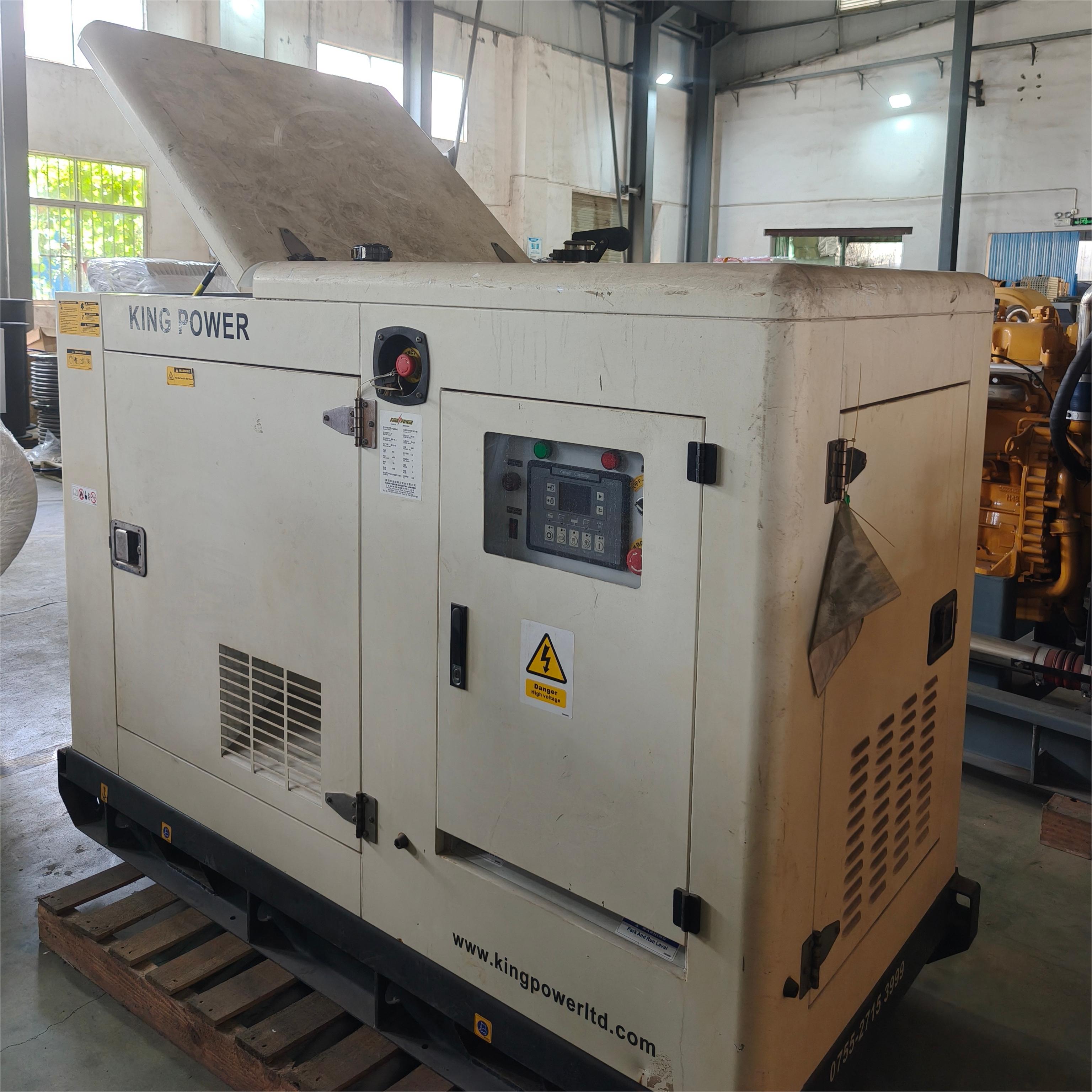
Facility heat demand rarely mirrors electrical load perfectly. Standard gas genset heat recovery units fail under unorthodox thermal-to-electrical ratios. Imagine a site requiring maximum electrical output but minimal hot water. A standard unit would boil over or trigger system alarms. Custom designs solve this through advanced bypass valve integration. They direct exhaust gas away from the heat exchanger during low thermal demand. Engineers also add secondary heat exchangers for precise load balancing.
Spatial constraints dictate mechanical designs constantly. Facilities often lack the floor space for standard horizontal exhaust routing. Tight mechanical rooms force operators to seek creative solutions. Containerized generator setups present even stricter footprint limits. You must utilize custom vertical exhaust routing in these scenarios. Custom casing designs allow engineers to fit maximum heat transfer surface area into minimal volumetric space.
Small-scale projects and retrofits present unique challenges. Commercial markets offer very few standard options for smaller, repurposed equipment. Off-grid or telecom applications frequently require localized heating solutions. For example, capturing usable heat from a used 20kw silent natural gas generator demands bespoke engineering. Standard industrial HRSGs are simply too massive for micro-cogeneration. You need custom tube bundles to match low exhaust mass flow rates effectively.
Ambient conditions and exhaust chemistry influence material selection heavily. Landfill gas or biogas setups produce highly corrosive exhaust environments. Standard carbon steel tubes degrade rapidly under these conditions. Condensation-induced corrosion destroys standard fins within months. You must address extreme ambient conditions through metallurgical upgrades. Custom builds utilize high-grade stainless steel alloys. Engineers also specify specialized tube fin geometries to prevent acid condensation.
You cannot procure a reliable system without precise documentation. Developing comprehensive gas genset heat recovery specifications prevents operational failures. Start by mapping your exhaust gas parameters meticulously. Record mass flow rates across multiple operating modes. Document exhaust temperatures at 50%, 75%, and 100% engine loads. Define the maximum allowable backpressure explicitly. Generator manufacturers usually limit backpressure to specific water column inches. Exceeding this limit voids engine warranties.
You must define heat sink requirements clearly. What specific thermal output does your facility need? Low-pressure steam requires different tube designs than hot water systems. Thermal oil applications demand entirely different pressure vessel standards. Establish your target fluid flow rates and desired temperature rises. This data allows engineers to size the heat exchanger surface area accurately.
Modern cogeneration relies on smart integration controls. You must specify Programmable Logic Controller (PLC) requirements early. Automated exhaust diversion is critical during low heat demand periods. The PLC must also manage bypass valves during generator startup phases. Cold startups produce dirty, wet exhaust. Diverting this exhaust prevents soot buildup on the heat exchanger fins.
Standard designs frequently overlook maintenance access. This oversight leads to high operational downtime. You must engineer custom access doors into the casing. Specify adequate tube-pull spaces in your mechanical room layout. Maintenance teams need physical clearance to inspect, clean, or replace tube bundles. Ignoring access requirements guarantees future maintenance nightmares.
Parameter Category | Critical Variables to Define | Engineering Impact |
|---|---|---|
Exhaust Profile | Mass flow (kg/h), Temperature at 50/75/100% load. | Determines required heat transfer surface area. |
Backpressure limits | Maximum allowable inches of water column. | Dictates internal tube spacing and fin density. |
Heat Sink Target | Fluid type (Water, Steam, Oil), Flow rate, Delta T. | Guides pressure vessel design and metallurgy. |
Control Logic | Bypass valve actuation, PLC communication protocols. | Ensures automated safety during thermal overloads. |
Transparent cost assumptions form the foundation of any successful project. You must balance front-end engineering and design (FEED) fees accurately. Compare these upfront costs against your projected fuel offset savings. Custom systems cost more initially. However, they capture more usable heat per operating hour. This increased capture rate reduces your facility boiler fuel consumption. Calculate the breakeven point using realistic, dynamic load profiles rather than assumed continuous peak operations.
You must actively avoid the risk of over-engineering. Engineers sometimes specify tighter manufacturing tolerances than practically necessary. Extreme tolerances exponentially increase fabrication costs. They rarely provide measurable performance yields in standard commercial applications. Stick to proven industrial standards unless your process demands clean-room precision. Over-engineering drains capital budgets quickly.
Navigating compliance and safety regulations requires specialized knowledge. Your custom system must adhere strictly to localized boiler codes. ASME standards dictate pressure vessel welding and inspection requirements. You cannot bypass these safety mandates.
Emissions Tier Compliance: Custom heat recovery modules must not interfere with upstream catalytic converters.
Exhaust Dispersion Modeling: Custom exhaust routing changes how plumes exit the building. You must model this to ensure safe environmental dispersion.
Acoustic Regulations: Heat recovery units act as secondary silencers. You must verify acoustic attenuation meets local noise ordinances.
Selecting the right manufacturing partner determines project success. Not every metal fabricator qualifies as a competent gas genset heat recovery supplier. You must demand rigorous engineering validation before signing contracts. Ask to see Computational Fluid Dynamics (CFD) models for previous builds. Request Finite Element Analysis (FEA) reports demonstrating thermal stress management. Sales brochures cannot replace hard engineering data. A qualified supplier proves their design logic computationally before cutting any steel.
Manufacturing capabilities separate true experts from mere assemblers. Assess whether the supplier outsources their core fabrication. In-house quality control is essential for high-pressure steam systems. Specialized welding requires certified professionals. Outlaw outsourced welding for critical pressure boundary components. Inspect their facility certifications. Verify their non-destructive testing (NDT) procedures for weld integrity.
Service and lifecycle support keep your system running long-term. Evaluate the supplier's commissioning process thoroughly. Do they send engineers to tune the bypass PLC onsite? Review their operator training programs. Your maintenance staff must understand the custom control logic deeply. Finally, confirm the availability of custom spare parts. You need rapid access to replacement actuators, gaskets, and specialized sensors to minimize unplanned downtime.
Custom heat recovery systems solve complex operational challenges efficiently. However, you should not default to custom engineering unnecessarily. Stick to standard models if catalog units fit 90% of your operating hours. Only pursue custom builds when specific spatial, thermal, or metallurgical constraints demand them. Custom engineering prevents severe engine derating and adapts perfectly to dynamic facility loads.
Take action immediately to assess your current facility needs. Audit your facility’s hour-by-hour thermal load profile carefully. Extract your generator's specific exhaust data sheet from the manufacturer. Compare your thermal demand against the available exhaust energy. Compile this data before contacting any engineering vendors. Solid data ensures you receive accurate proposals and viable custom solutions.
A: Custom engineering typically adds 20-40% to your upfront capital costs. This price premium heavily depends on required metallurgy, specialized controls, and overall scale. While initial costs are higher, custom units often achieve faster payback periods through optimized heat capture and reduced boiler fuel consumption.
A: Yes, retrofitting is common but requires careful planning. You must address strict space limitations in existing mechanical rooms. Additionally, you must evaluate structural support capabilities. Heat exchangers hold significant water or steam weight. Existing exhaust piping structures rarely support this added mass without custom reinforcement.
A: Excessive backpressure causes immediate cascading failures. It chokes the engine, causing significantly reduced power output. Fuel consumption increases as the engine works harder to push exhaust out. Ultimately, trapped heat leads to severe exhaust valve damage. This reinforces the absolute need for strict custom specifications.

