
T: 0086 13510078491
Tianraobu Village, Hengli Town, Dongguan City, Guangdong Province, 523472, China.
Views: 0 Author: Site Editor Publish Time: 2025-12-05 Origin: Site


Diesel generators are used in 85% of backup power systems in important places and business buildings in the U.S.
A diesel generator changes diesel fuel into electricity. It uses an engine and an alternator. This makes it good for backup power when the lights go out.
The main parts are the diesel engine, alternator, fuel system, cooling system, and control panel. Knowing these parts helps you learn how the generator works.
It is important to take care of the generator. Clean the filters often. Check the fuel to make sure it is good. Run the generator every month. This helps it work well and last longer.
Diesel generators use fuel well and can run for a long time. They are great for building sites, hospitals, and places far away.
Always use diesel generators outside. This keeps you safe from bad exhaust gases. Follow safety rules to use the generator safely.
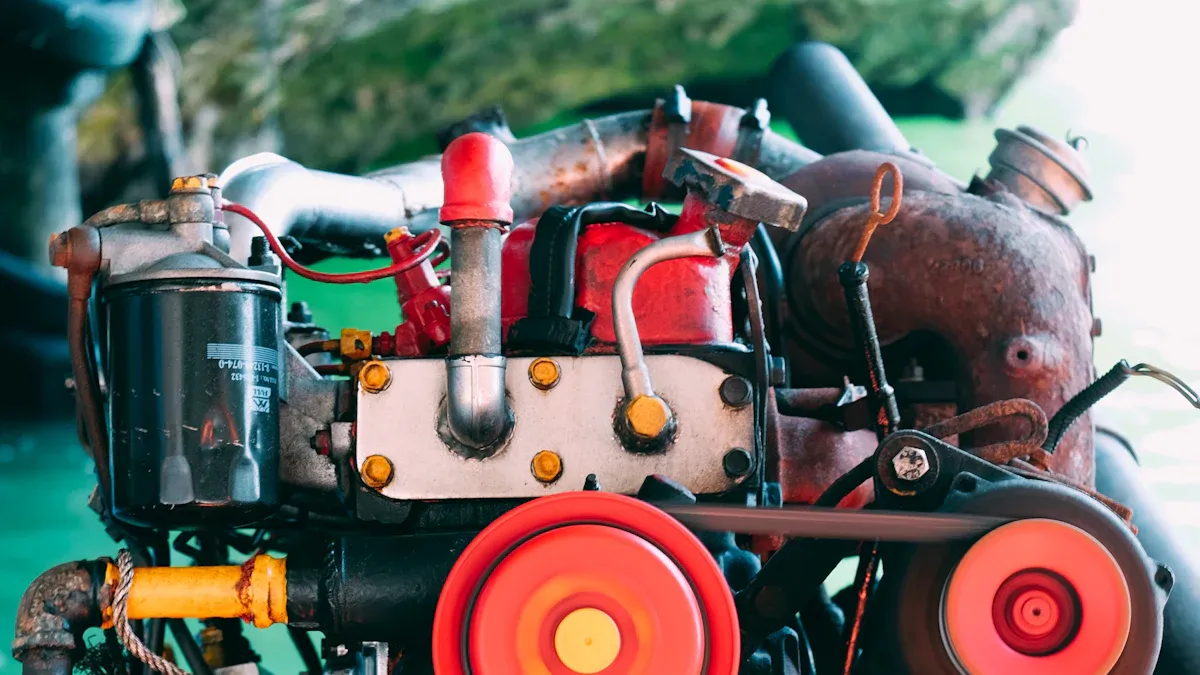
A diesel generator has many key parts. These parts work together to make electricity. It is important to know what each part does. This helps you understand how the whole system works.
The diesel engine is the main part that gives power. It changes diesel fuel’s chemical energy into mechanical energy. The engine is an internal combustion engine. Air goes into the engine and gets squeezed. Diesel fuel is sprayed into the chamber. The high pressure makes the fuel burn. This pushes the piston down. The piston turns the crankshaft. This makes mechanical energy. The engine uses this energy to keep the generator working.
Tip: The diesel engine uses compression ignition. It does not need spark plugs like gasoline engines.
The alternator gets mechanical energy from the engine. It turns this energy into electrical energy. The alternator has two main parts: the rotor and the stator. The rotor spins inside the stator. This makes a magnetic field. The movement creates electricity by electromagnetic induction. The alternator keeps the voltage steady. It makes sure the power stays stable. You need the alternator for a steady flow of electricity.
Component | Function |
|---|---|
Alternator | Converts mechanical energy from the engine into electrical energy for power output. |
The fuel system holds and sends diesel fuel to the engine. It has a fuel tank, fuel line, fuel filter, fuel injectors, and a fuel pump. The fuel tank stores the diesel. The fuel line moves fuel to the engine. The fuel filter cleans the fuel. Fuel injectors spray small amounts of fuel into the chamber. The fuel pump keeps the right pressure. This helps the engine burn fuel well. The fuel system is needed for the generator to keep running.
Component | Function |
|---|---|
Fuel System | Stores and supplies fuel to the engine, initiating the mechanical process. |
Fuel Tank | Stores diesel fuel, can be external for extended operation, prevents contamination. |
Fuel Line | Transports fuel from the tank to the engine, ensuring continuous delivery. |
Fuel Filter | Removes impurities and contaminants from fuel, ensuring clean fuel reaches the engine. |
Fuel Injectors | Delivers fuel to the combustion chamber in small amounts for combustion. |
Fuel Pump | Maintains pressure for injectors, ensuring correct fuel to air ratio for efficient combustion. |
The cooling system stops the engine from getting too hot. It uses liquid coolant to take away heat. Most diesel generators use a closed system with antifreeze and water. The exhaust system gets rid of bad gases from the engine. Mufflers and converters in the exhaust system help lower noise and pollution.
Mechanism | Description |
|---|---|
Cooling System | Circulates coolant to absorb and dissipate heat, preventing overheating. |
Exhaust System | Safely expels combustion gases, often includes mufflers and converters to reduce emissions. |
The control panel lets you turn the generator on and off. You use it to check voltage, frequency, and load. The panel protects the generator by shutting it down if there is a problem. It can stop the system if oil is low or if it gets too hot. You can also use the panel to see how the generator is working. It lets you set alarms for maintenance. New control panels let you watch and control the generator from far away.
Function | Description |
|---|---|
Start/Stop Control | Initiates or terminates generator operation automatically or manually. |
Voltage and Frequency Regulation | Maintains consistent output for stable load delivery. |
Protection and Alarms | Monitors for overvoltage, overcurrent, low oil pressure, or overheating and triggers safety shutdowns. |
Data Logging and Reporting | Records performance metrics for preventive maintenance and compliance reporting. |
Note: Always check the control panel before starting the generator. This makes sure everything is ready to go.
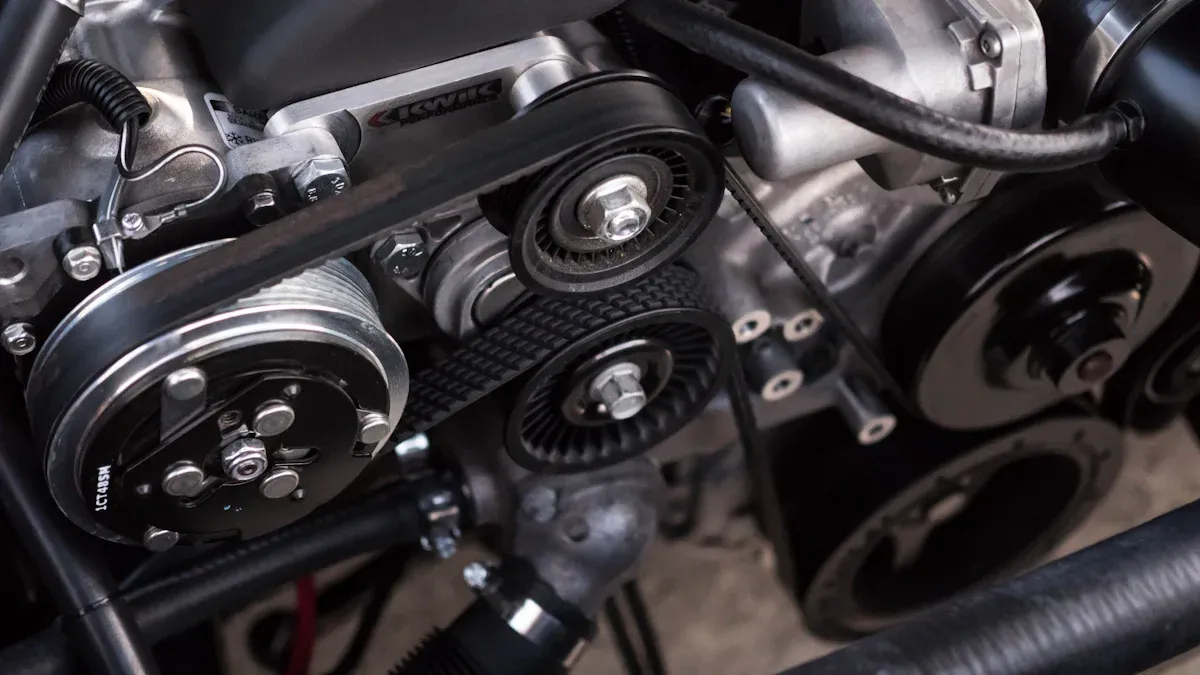
You can learn how a diesel generator works by looking at each step. First, the battery gives power to the starter motor. The starter motor turns on the diesel engine. Air goes into the engine and gets squeezed. Diesel fuel is sprayed into the chamber. The high pressure makes the fuel catch fire. This fire pushes the pistons down. The pistons turn the crankshaft. The crankshaft is linked to the alternator. The alternator spins and makes electricity. You use this electricity for your devices or building.
Tip: Always check that the fuel system is clean and the battery is charged before you start the generator.
The energy conversion process in a diesel generator has a few main steps. You can see how the generator changes energy from one type to another. Here is an easy breakdown:
Air intake and compression: The engine pulls in clean air and squeezes it. This makes the air inside the cylinder get hotter.
Diesel fuel injection and combustion: The fuel injectors spray diesel into the hot, squeezed air. The fuel catches fire and makes a small explosion.
Crankshaft conversion: The explosion pushes the pistons. The pistons move up and down. This movement turns the crankshaft.
Alternator operation: The crankshaft spins the rotor inside the alternator. The spinning rotor makes a magnetic field. This field makes electricity in the stator windings.
This process shows how the generator changes energy inside. You start with chemical energy in the diesel fuel. The engine turns it into mechanical energy. The alternator then turns mechanical energy into electrical energy.
Stage | What Happens |
|---|---|
Air Intake & Compression | Engine squeezes air, making it hotter |
Fuel Injection & Combustion | Diesel fuel catches fire, pushing pistons |
Crankshaft Conversion | Pistons move, crankshaft turns |
Alternator Operation | Rotor spins, magnetic field makes electricity |
You can see how a diesel standby generator works when the alternator makes electricity. The alternator uses electromagnetic induction. The rotor spins inside the stator. This spinning makes a magnetic field. The field makes an alternating current (AC) in the stator coils. You get electricity you can use from this process. The generator sends this electricity through circuit breakers to your devices or building.
The generator keeps working as long as you add diesel fuel and the engine stays cool. When the main power comes back, the automatic transfer switch changes to grid power. The generator cools down and shuts off safely.
Note: The diesel generator can make electricity fast and reliably. You can count on it for backup power when the main power goes out.
Diesel generators are known for being efficient and reliable. You can trust them to give steady power in hard times. Many people pick diesel generators because they work well and last long. They can handle many kinds of places and weather.
Diesel generators give more power for each gallon of fuel. They usually work at 30% to 40% efficiency. This is better than most other generators, especially for big jobs. Here are some reasons why diesel generators use less fuel:
They burn fuel better with compression ignition.
Diesel fuel has more energy, so you need less of it.
At medium or high loads, diesel engines use less fuel than gasoline ones.
They have strong low-speed torque, which helps with tough tasks.
Tip: Take care of your generator and use the right load. This can make it even more efficient.
Diesel generators can last for many years if you take care of them. With good care, they can run for 20,000 to 30,000 hours. This means you can use them for 20 to 30 years. To keep your generator working well, do these things:
Clean battery terminals often.
Change air filters and check for blockages.
Drain water from fuel tanks and use good fuel.
Change oil and filters when needed.
Check coolant and exhaust for leaks.
Run the generator every month to keep parts moving.
A clean generator works better and lasts longer. Always read the manual for the best tips.
Diesel generators work in many places and all kinds of weather. They can run in freezing cold or very hot weather. New designs help them start in cold weather, which is good for winter storms. Diesel generators have powered faraway places for many years because they are tough and easy to fix. Diesel fuel gives more energy per gallon, so you get more power in places far from fuel stations.
Note: Diesel generators are strong and reliable, but they can be noisy and make pollution. Some models are quieter, and new technology helps lower harmful gases.
You can use a diesel standby generator in many places. It helps when you need electricity and the main power is gone. These generators keep your home, business, or job site working. They are useful when the main power stops. Here are some common ways people use a diesel standby generator.
A diesel standby generator gives backup power if the grid fails. When the main power goes out, a switch starts the generator fast. You get backup power right away. Your lights and appliances keep working. This is important for homes and businesses. Hospitals also need backup power. You can trust a diesel standby generator to keep things running. It helps your refrigerator, medical equipment, and security systems during an outage.
Tip: Always check the fuel and maintenance schedule. This helps make sure your generator works when you need it.
You see diesel standby generators on construction sites and faraway places. These areas do not have easy power from the grid. You need strong power for tools and lights. Heavy equipment also needs steady power. A diesel standby generator can run for many hours. It can handle hard jobs. You can use it for mining and mobile offices. It works for special events far from cities too.
Diesel standby generators give power for:
Construction tools and lights
Mining work
Mobile offices and trailers
Outdoor events and fairs
Farms and ranches far away
Factories, hospitals, and emergencies need diesel standby generators. These places need lots of power for long times. During storms or disasters, you can keep your business open. You protect important systems. Hospitals use these generators for life-saving machines. Industrial sites use them to keep work going.
Feature | Description |
|---|---|
Robustness | Handles big power needs and tough jobs |
Load Capacity | Runs heavy equipment and large buildings |
Safety Systems | Has protection features for safe use in emergencies |
You can also use a diesel standby generator for farms, boats, camping, and holiday lights. This makes it a good choice for many needs.
You now know that a diesel generator uses its engine, alternator, and fuel system to make electricity. You can count on a diesel standby generator for backup power at home, in hospitals, or at work sites.
It gives steady power and works very well.
The engine is strong, so you do not need much maintenance.
It uses less fuel, which saves you money during long blackouts.
You can trust it to work in hard places and with big machines.
A diesel generator gives you safe, reliable, and long-lasting power when you really need it.
You need to service your diesel generator every 6 months or after 250 hours of use. Doing regular checks helps stop problems. This keeps your generator working well.
You must not run a diesel generator inside. Diesel engines make dangerous gases. Always use your generator outside where air can move.
You should use clean and fresh diesel fuel. Low-sulfur diesel is best for most new generators. Always look at your manual to see what fuel to use.
Most diesel generators can run for 8 to 24 hours without stopping. You should check your fuel tank size and cooling system before using it for a long time.
Tip: Let your generator cool down after long use. This helps it last longer.
Put your generator outside.
Keep it away from water.
Check fuel and oil before you start it.
Do not touch hot parts.
Use the right extension cords.

